Wondering whether Lakeland’s older neighborhoods or its newer communities are the better fit for your next move? It is a smart question, because in Lakeland, that choice can shape your daily routine, your maintenance budget, and even how much flexibility you have to change a home over time. If you are weighing charm and central location against newer systems and a more planned layout, this guide will help you compare both paths with more confidence. Let’s dive in.
Why this choice matters in Lakeland
Lakeland is not a one-style housing market. The city has a long built history, and its 2024 demographic guide reported a median home age of 43 years. At the same time, Lakeland’s planning framework supports continued development in newer suburban areas while also preserving older parts of the city.
That balance gives you real options. You can look toward central, established neighborhoods with historic character and more mature streetscapes, or you can focus on newer areas that often offer newer construction and a more standardized subdivision feel. The right answer depends less on trends and more on how you want to live.
What established neighborhoods offer
Lakeland’s established neighborhoods are mostly concentrated in and near the urban core. City materials highlight areas such as Historic Beacon Hill, Historic Dixieland, Historic Lake Morton, Historic Lake Hunter Terrace, North Lake Wire, Cleveland Heights, and other central neighborhoods.
These areas often stand out for location and personality. Downtown Lakeland is described by the city as walkable and centered around Munn Park, while Dixieland is known for vintage retail, restaurants, and coffeehouses. If you want to be closer to downtown destinations, lake areas, or older in-town streets, established neighborhoods may deserve a close look.
Character and architecture
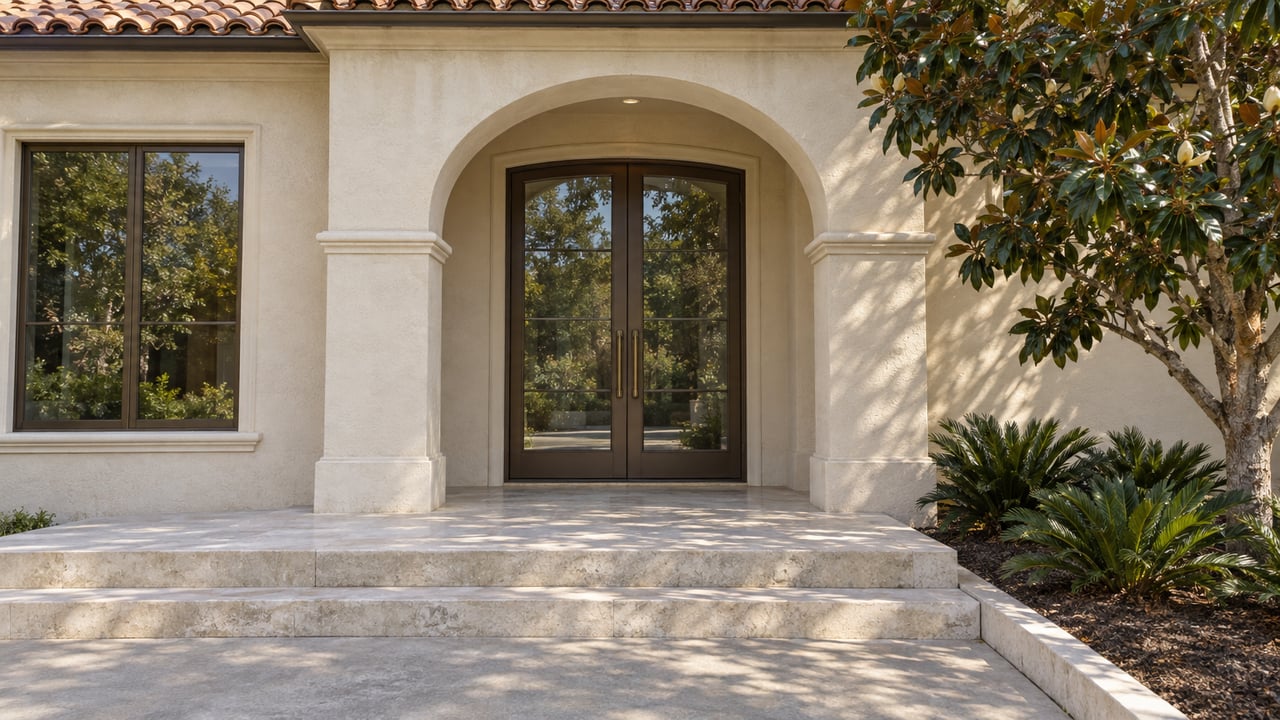
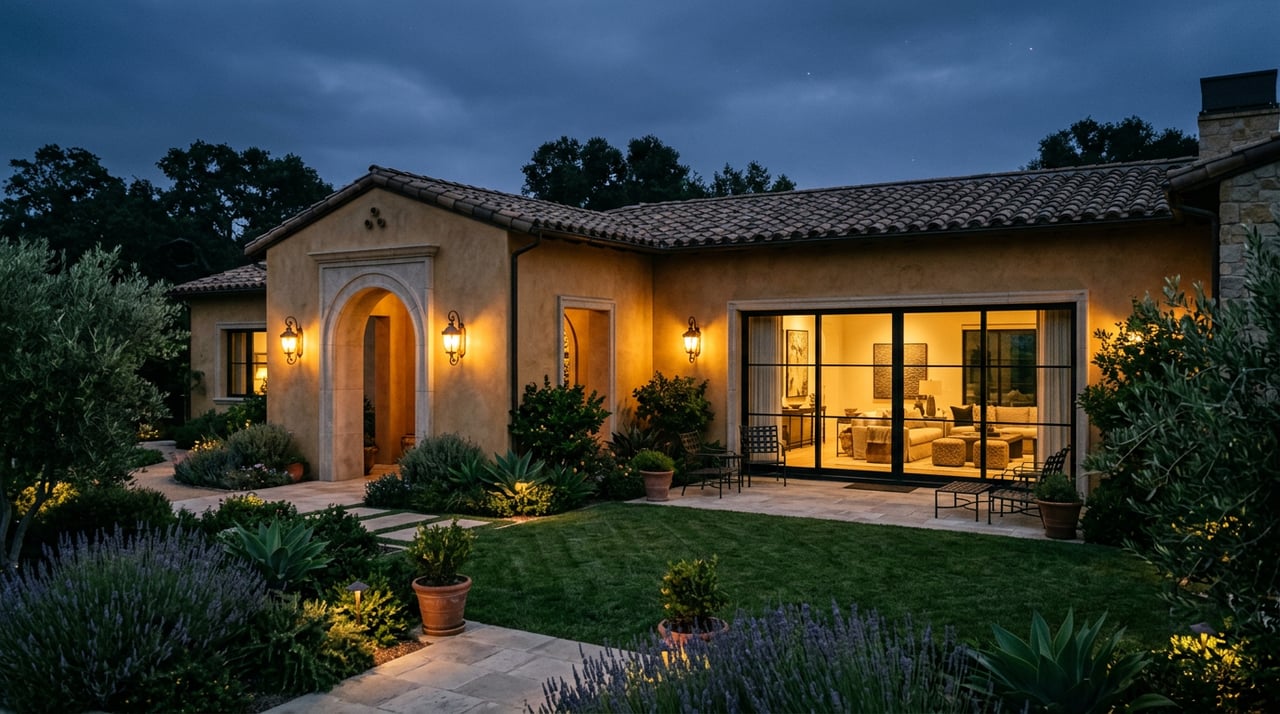
Older Lakeland neighborhoods often include early 20th-century and mid-century homes. The city points to examples ranging from a 1901 Craftsman bungalow to the 1928 Lake Mirror Promenade and the 1957 Southgate Shopping Center arch. Lakeland’s historic architecture covers a wide range of styles, which helps explain why many buyers are drawn to these areas.
If you care about details that feel distinct rather than uniform, this can be a major advantage. You may find homes with original design features, more varied facades, and a stronger sense of place. For many buyers, that uniqueness is a big part of the appeal.
Walkability and central location
The city says historic-district living often offers greater walkability, bikeability, and transit friendliness, along with neighborhood stability and more predictable surrounding development. These are city-described benefits, not guarantees for every property, but they help explain why established neighborhoods stay on many buyers’ short lists.
For you, that may translate into shorter drives for some daily errands or easier access to downtown, lake districts, and other central destinations. If being in the middle of Lakeland’s older fabric matters to you, an established neighborhood may line up well with your priorities.
Maintenance and design review
Older homes can also come with more upkeep. Home age can signal future maintenance needs like roof or HVAC replacement, and homeowners are responsible for repairs ranging from minor fixes to larger systems. That does not mean every older home will need major work right away, but it does mean you should look closely at condition.
If a home is in a local historic district, there is another layer to consider. Lakeland requires design review before exterior changes to a local historic landmark or a building in a historic district. Minor projects such as fences, sheds, pools, and replacement windows, doors, or roofing can often be approved administratively, while additions, new construction, and demolition require committee review.
What newer neighborhoods offer
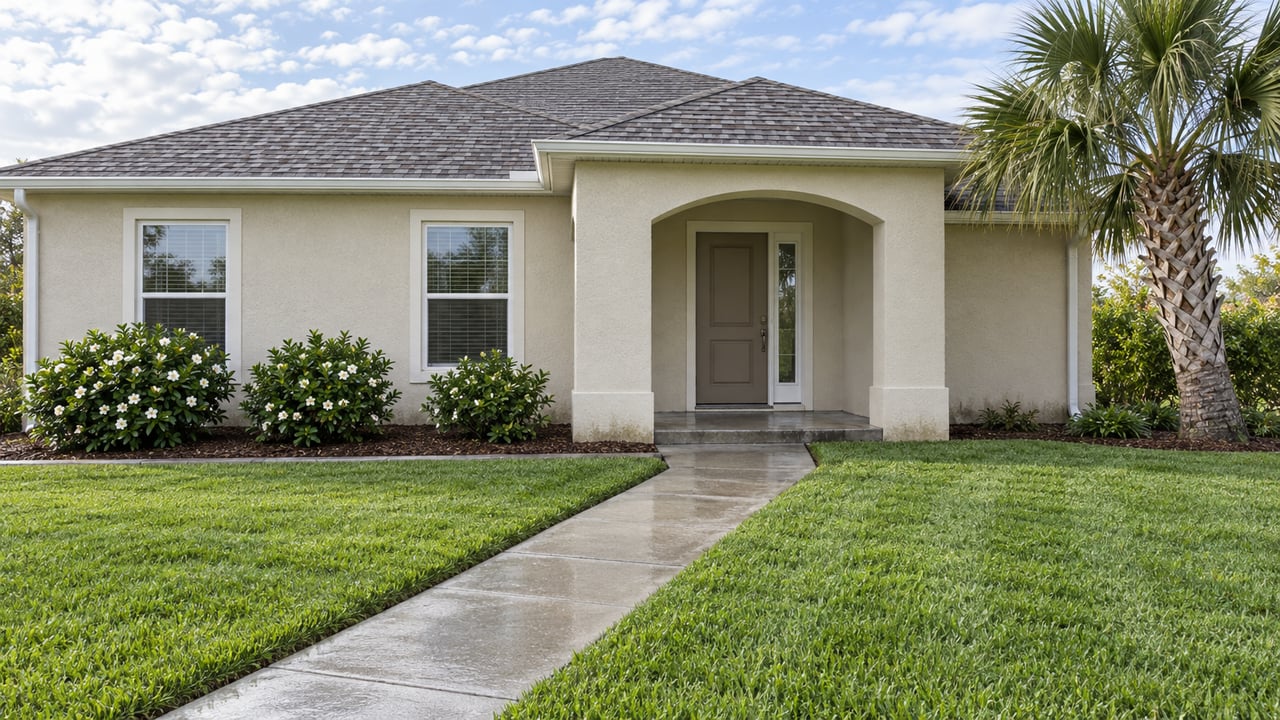
Newer Lakeland neighborhoods are more likely to reflect the city’s suburban planning framework. In practical terms, that usually means newer construction, more standardized subdivision layouts, and fewer historic-preservation constraints. For many buyers, that can create a more straightforward ownership experience.
A newer home may also reduce the chance of immediate repair concerns. While no house is maintenance-free, newer systems can be appealing if you want more predictability in the first few years of ownership.
Planned communities and HOAs
Newer communities are also more likely to involve private HOAs. Lakeland’s neighborhood directory identifies several neighborhoods as private HOAs, and buyers should remember that HOA fees can be an ongoing cost in addition to the mortgage.
If you are considering a newer neighborhood, look beyond the home itself. Ask what the dues cover, what rules apply, and how much architectural control the association has. A well-run HOA may fit your lifestyle well, but only if the structure and expectations match what you want.
Commute patterns and road access
Lakeland’s road network plays a big role in how newer neighborhoods function day to day. Interstate 4 serves as a major intercity corridor between the Tampa central business district and the southwest side of Orlando, and the Polk Parkway connects I-4 to Polk County cities including the south side of Lakeland.
That means newer suburban choices may offer easier car access to major roads, even if they trade some central walkability. If your routine depends on driving to work, appointments, or regional destinations, commute routes may matter just as much as the home’s floor plan.
Established vs newer: a practical comparison
When you compare the two, the choice usually comes down to what tradeoffs feel worth it to you. In Lakeland, established neighborhoods often offer character and centrality, while newer communities often offer newer systems and a more planned suburban setting.
Here is a simple way to think about it:
| If you value... | Established neighborhoods may fit | Newer neighborhoods may fit |
|---|---|---|
| Home style | Distinct architectural character | More standardized newer designs |
| Location | Closer to downtown and older central areas | Often farther out with road-oriented access |
| Maintenance outlook | May require a larger repair reserve | May have fewer immediate system concerns |
| Rules and oversight | Historic district review may apply | HOA rules and dues may apply |
| Daily lifestyle | Walkability and established streetscapes | Planned subdivision living and car access |
Questions to ask before you choose
Before you decide, it helps to narrow the choice around your lifestyle rather than just your wish list. A beautiful home in the wrong setting can feel less right once you settle into your routine.
Ask yourself these questions:
- How much maintenance are you comfortable taking on in the first 3 to 5 years?
- Do you want to be closer to Downtown, Dixieland, Lake Morton, or Midtown?
- Are you comfortable paying HOA dues in exchange for newer construction or amenities?
- If a home is in a historic district, are you comfortable with exterior review requirements?
- Which roads will you use every day, and how do you feel about relying on I-4 or the Polk Parkway?
Your answers can quickly clarify which side of the market deserves more attention.
What to review before making an offer
No matter which type of neighborhood you prefer, the home itself still needs careful review. A newer home is not automatically trouble-free, and an older home is not automatically high-maintenance.
Before making an offer, compare:
- The home’s age
- Roof condition
- HVAC age and performance
- Plumbing condition
- Electrical condition
- Drainage around the property
- Inspection findings
- Any local rules that affect the property
Independent inspections are especially important because they can uncover structural, safety, electrical, plumbing, and other issues before closing. This step can give you a much clearer picture of what ownership may look like after move-in.
How to make the right Lakeland choice
The best neighborhood for you is the one that supports your budget, routine, and comfort level with upkeep. If you love architectural character, central location, and established surroundings, an older Lakeland neighborhood may feel like home. If you prefer newer systems, HOA-governed predictability, and easier access to major roads, a newer community may be the better fit.
In a market like Lakeland, local guidance matters because the differences are not just about age. They are about how each neighborhood functions, what rules may apply, and how the home fits into your day-to-day life. If you want help comparing Lakeland neighborhoods with a clear, practical lens, schedule a complimentary home consultation with Premier Realty Network Inc..
FAQs
What is the main difference between established and newer neighborhoods in Lakeland?
- Established Lakeland neighborhoods often offer more architectural character, central location, and mature streetscapes, while newer neighborhoods often offer newer systems, planned subdivision layouts, and more car-oriented access.
What should you know about historic districts in Lakeland before buying?
- If you buy a home in a local historic district, Lakeland requires design review for exterior changes, although many minor projects can often be approved administratively.
Are newer Lakeland neighborhoods more likely to have HOAs?
- Yes, newer neighborhoods in Lakeland are more likely to include private HOAs, so you should review dues, coverage, and architectural rules before you buy.
Why does home age matter when comparing Lakeland neighborhoods?
- Home age can signal future maintenance needs, including major systems such as the roof or HVAC, which is why inspections and condition review are important.
How do commute patterns differ between older and newer Lakeland neighborhoods?
- Older in-town neighborhoods may place you closer to downtown destinations, while newer suburban areas may offer easier access to major corridors like I-4 and the Polk Parkway.
What should you inspect before buying in any Lakeland neighborhood?
- You should closely review the roof, HVAC, plumbing, electrical, drainage, home age, inspection results, and any local rules that apply to the property.