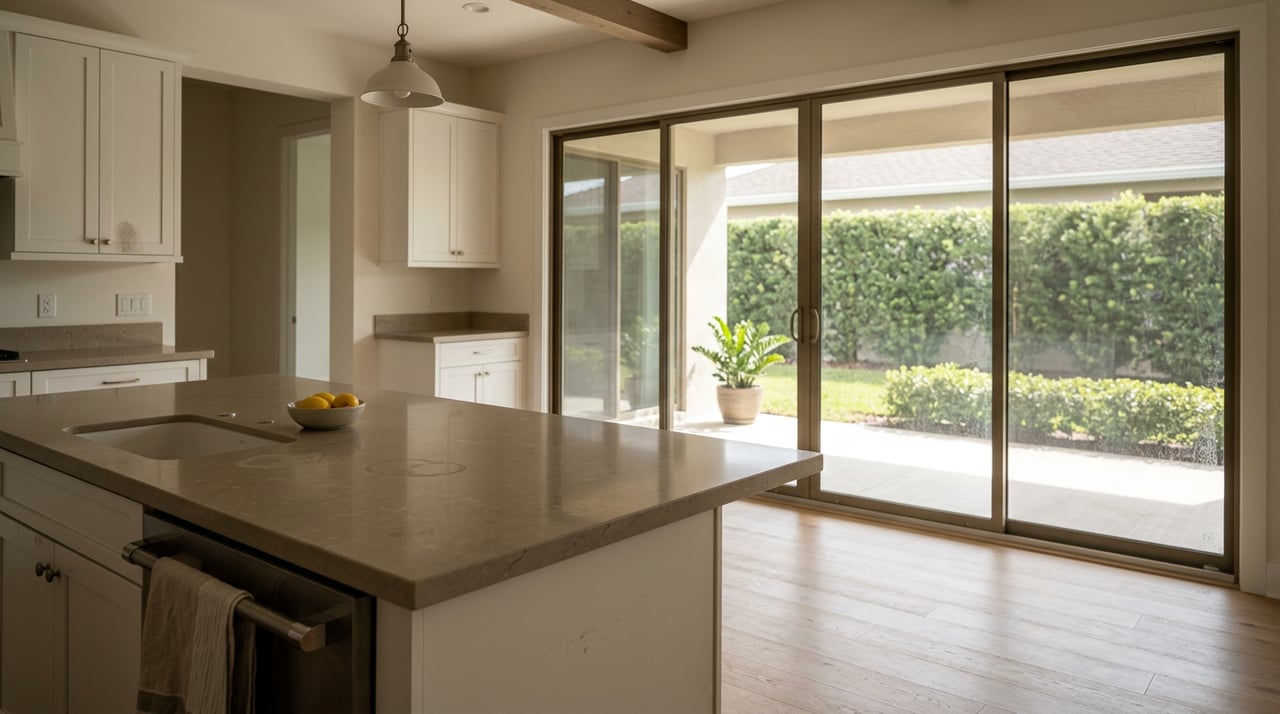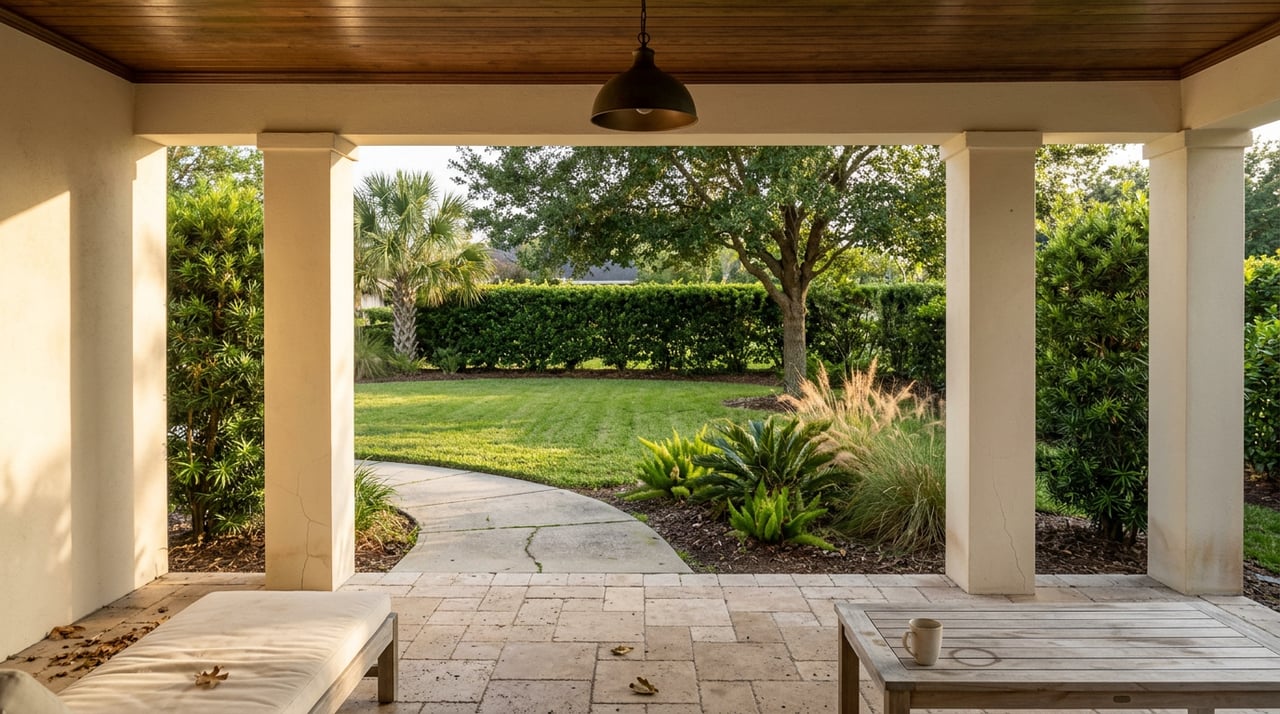
Thinking about selling your Winter Haven home? In a market where one neighborhood can move quickly and another can sit for weeks, a smooth sale usually comes down to preparation, pricing, and presentation. If you want to avoid costly missteps and feel more confident from listing to closing, this step-by-step guide will walk you through what matters most in Winter Haven. Let’s dive in.
Understand the Winter Haven market
Winter Haven is not one single price band. With 50 lakes within or bordering city limits, the city includes very different waterfront and inland submarkets, and that affects both value and timing.
Recent market data shows a balanced to somewhat competitive environment. In May 2026, reported median sale and listing prices were around the low to mid-$290,000s, with homes taking roughly 74 to 86 days on market and selling near 98% of list price on average. That means buyers are active, but they are also price-aware.
The biggest takeaway is simple: you should not price your home based on a citywide headline number alone. In Winter Haven, nearby comparable sales and current neighborhood competition matter much more.
Why neighborhood-level pricing matters
Neighborhood data in Winter Haven varies widely. Median listing prices and days on market can look very different from one area to the next, which is why broad averages can lead sellers astray.
For you, that means the right price should be built from recent closed sales of similar homes nearby. A lakefront property, for example, should be evaluated against similar waterfront homes, while an inland home should be compared with similar inland listings and sales.
Choose your timing carefully
If you have flexibility, timing can help, but it should not drive the whole strategy. National seasonal data identified mid-April as a strong selling window in 2026, with stronger buyer activity and faster sales than the average week.
Still, timing is only one piece of the puzzle. In Winter Haven, a well-prepared home with the right price often matters more than the calendar.
Don’t wait for the “perfect” week
It is easy to delay listing because you want ideal timing. But if your home is market-ready and priced well for current conditions, that usually matters more than chasing a specific week on the calendar.
A polished launch can outperform a delayed launch. The key is to enter the market when your home is fully prepared to make a strong first impression.
Start with pre-list prep
Before your home goes live, take time to review its condition inside and out. A careful pre-list check can help you spot issues early, avoid surprises during the buyer inspection, and reduce the chance of late-stage negotiations.
A practical pre-sale review often includes the roof, plumbing, electrical, HVAC, ventilation, and visible cosmetic wear. A pre-sale inspection is optional, but it can be useful if you want a clearer picture of potential repair items before a buyer discovers them.
Focus on repairs that protect value
Not every project needs to happen before listing. Focus first on items that affect condition, safety, function, or buyer confidence.
That can include visible leaks, drainage concerns, broken fixtures, damaged surfaces, aging systems with known issues, or exterior items that make the home look poorly maintained. Clean condition and disciplined pricing are especially important in the current Winter Haven market.
Gather documents early
It helps to collect manuals, warranties, and service records for appliances and systems that will stay with the home. This makes your listing feel more organized and can make the transaction smoother once you are under contract.
If you have completed major updates, it is also smart to confirm whether permits were required and whether records are available. That is especially important for exterior improvements.
Know your Florida disclosure duties
In Florida, sellers have a duty to disclose known latent material defects in a residential property. If you learn about a leak, drainage problem, or another issue during your pre-list prep, it is important to address disclosure questions early rather than hope the buyer will not notice.
Florida law also requires a flood-risk disclosure to a purchaser of residential real property at or before contract execution. This is an important part of preparing your sale, especially in a lake-oriented city like Winter Haven.
Why early disclosure matters
Trying to hide a known issue can create bigger problems later. A buyer may uncover the issue during inspections, which can lead to renegotiation, delays, or a canceled contract.
A better approach is to discuss known concerns and disclosure steps with your agent or attorney before listing. Clear communication helps protect the transaction and keeps expectations realistic.
Pay special attention to lakefront details
If your home is on or near the water, you may need an extra layer of preparation. Winter Haven can provide flood-map information, and flood insurance is mandatory for certain loans in Special Flood Hazard Areas.
The city also notes that shoreline clearing is limited in general, and creating a sandy beach requires permits. If your property includes docks, shoreline work, roof work, or other major improvements, it is wise to check permit implications before you hit the market.
Waterfront presentation matters
Lakefront buyers often pay close attention to outdoor areas, water views, and shoreline appearance. That means your prep should extend beyond the interior.
Trim and clean outdoor spaces, make sure views are visible where appropriate, and confirm that the exterior feels maintained and functional. For waterfront homes especially, buyers tend to evaluate lifestyle and property condition at the same time.
Declutter, stage, and simplify
Once repairs and disclosures are underway, the next step is presentation. Staging helps buyers picture themselves living in a home, and industry research found that many buyers’ agents believe it makes that visualization easier.
You do not always need a full redesign. Often, the most effective approach is a neutral, uncluttered look that makes rooms feel brighter, larger, and easier to understand.
Prioritize the rooms buyers notice first
The rooms most often staged are the living room, primary bedroom, and dining room. If you want to focus your effort, start there.
For inland homes, curb appeal and interior flow may do the heavy lifting. For lakefront homes, make sure indoor-outdoor spaces and water-facing areas show well too.
Create a show-ready routine
Buyers may request showings with little notice. Before listing, create a simple routine so you can reset the home quickly.
A show-ready checklist might include:
- Clear countertops
- Open blinds and curtains for natural light
- Turn on key lights
- Put away personal items
- Freshen bathrooms and kitchen
- Straighten outdoor seating and entry areas
Invest in strong photography and launch strategy
Your home should be photo-ready before the listing goes live. The first image set often determines whether buyers schedule a showing or scroll past.
Photos, video, virtual tours, and coordinated marketing materials can all support a stronger launch. In a market where homes are not always selling instantly, first impressions matter.
Why launch day matters
A listing launch should be coordinated, not improvised. If the home goes live before the condition, photos, or staging are ready, you can lose momentum with the first group of buyers who see it.
A thoughtful launch helps you capture early interest while the listing is still fresh. That is especially important when buyers are comparing multiple homes and watching value closely.
Price from comps, not hope
This is one of the most important steps in the process. In Winter Haven, recent sale-to-list ratios near 98% and median market times around 74 to 86 days suggest that realistic pricing works better than ambitious pricing.
Some homes still move quickly and at list price, but those are not the norm. Most sellers will benefit from a strategy anchored in recent closed comparables from the same neighborhood and property type.
What overpricing can cost you
An inflated price can reduce showings and extend time on market. That can make buyers wonder whether something is wrong with the home, even when the real issue is simply price.
If activity is weak after launch, common responses include a price reduction or seller-paid closing-cost help. Starting closer to market value can reduce the need for those later adjustments.
Prepare for showings and feedback
Once your home is active, flexibility matters. Buyers may want to tour at different times, and some requests may come with little notice.
The easier it is to show your home, the more opportunities you create. Keep the home clean, bright, and easy to access whenever possible.
Use feedback to guide decisions
If buyers are touring the home but not making offers, feedback can help reveal whether the issue is price, condition, layout perception, or competition. If showings are slow from the start, that may point to pricing, presentation, or both.
Quick adjustments can help preserve momentum. Waiting too long to respond can make a listing feel stale.
Review offers beyond the price
When offers come in, the highest number is not always the best outcome. Terms matter too.
Look closely at the proposed closing date, inspection period, financing details, and any requests for credits or concessions. A stronger overall offer is the one that best balances price, certainty, and fit for your timeline.
Expect inspection and appraisal checkpoints
Even after you accept an offer, the sale is not final yet. Buyers can walk away if inspection issues are too large, and an appraisal that comes in low can trigger renegotiation.
That is why early repairs and accurate pricing are so valuable. They reduce surprises and help the contract stay on track.
Get ready for closing
At closing, ownership transfers to the buyer, and your sale proceeds are used to pay off the mortgage and other sale-related costs. By this point, the work you did upfront should make the final steps much smoother.
The most successful Winter Haven sales usually follow the same pattern: smart local pricing, early repair triage, strong presentation, clear disclosures, and a plan for negotiations. When those pieces come together, you put yourself in a much stronger position from day one.
If you are thinking about selling in Winter Haven and want a more tailored plan for your home, Premier Realty Network Inc. offers the local guidance, polished presentation, and hands-on support that can make your next move feel much more manageable.
FAQs
How should you price a home in Winter Haven, Florida?
- You should price your home using recent closed comparable sales from the same neighborhood and property type, because Winter Haven has very different waterfront and inland submarkets.
What do Winter Haven sellers need to disclose in Florida?
- Florida sellers must disclose known latent material defects, and residential sellers must provide a flood-risk disclosure to the buyer at or before contract execution.
Should you get a pre-list inspection before selling a Winter Haven home?
- A pre-list inspection is optional, but it can help you identify issues with the roof, plumbing, electrical, HVAC, ventilation, or other problem areas before a buyer does.
What helps a Winter Haven home sell faster?
- Clean condition, realistic pricing, decluttering, staging, and strong photography can all improve buyer interest and reduce the risk of a long time on market.
What should waterfront sellers in Winter Haven check before listing?
- Waterfront sellers should review flood-map information, confirm whether flood insurance may affect buyers, and check permit implications for shoreline work, docks, roofs, or other major improvements.