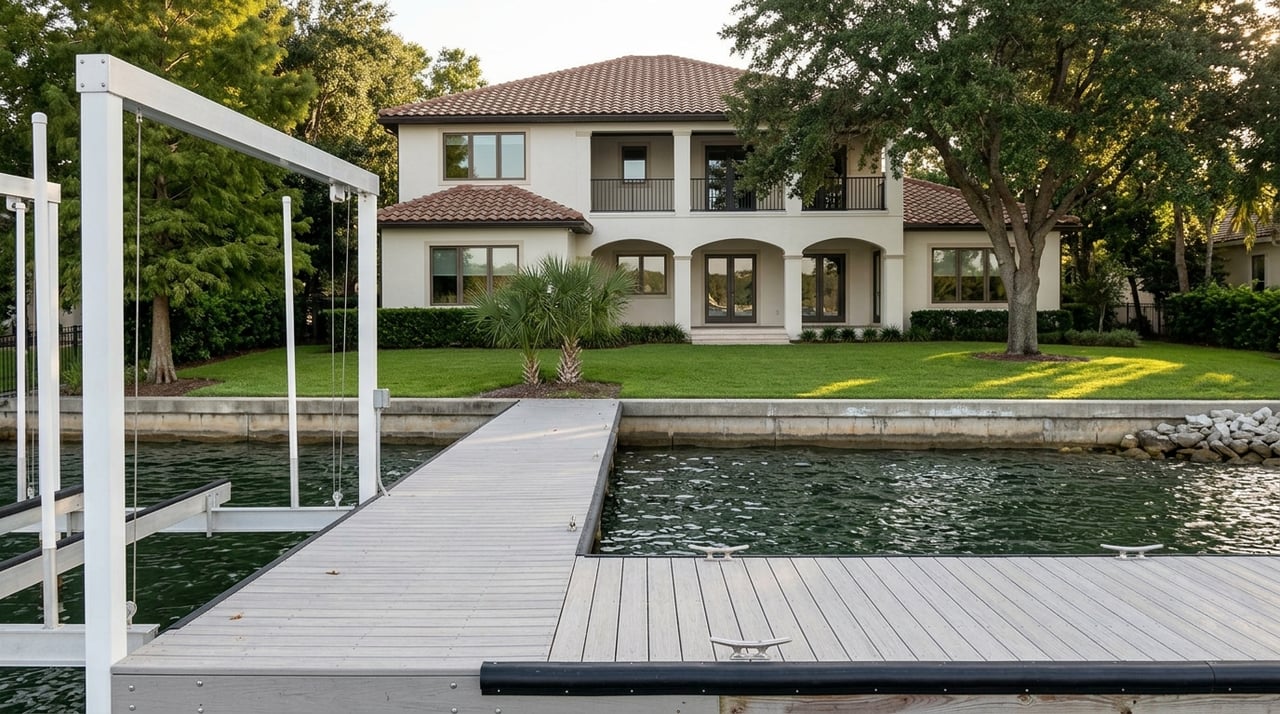
Looking for a lake lifestyle that feels active, connected, and truly part of daily life? In Winter Haven, living near the Chain of Lakes is not just about a pretty view from your back porch. It is about how water, parks, trails, and community spaces all come together across the city. If you are thinking about buying or selling in this part of Polk County, this guide will help you understand what makes lakefront living here unique. Let’s dive in.
Why Winter Haven Feels Different
Winter Haven’s lake lifestyle is built around a network, not a single waterfront strip. The city has 50 lakes within or bordering city limits, and the Winter Haven Chain of Lakes includes a 9,000-acre, 22-lake system divided into North and South sections.
Those sections connect through a lock system between Lakes Hartridge and Conine. That setup gives Winter Haven a lake culture that feels more like a connected route system than a series of isolated shorelines.
The city also supports this lifestyle with extensive public access. According to the city’s latest annual financial report, Winter Haven has 14 boat ramps, 16 public docks and piers, 2 boardwalks, and 19 waterfront parks.
That matters because it makes the waterfront part of everyday living. Whether you own directly on the water or nearby, the lakes are woven into how people spend time outdoors across the city.
What Daily Life Around the Lakes Looks Like
Living around the Chain of Lakes often means you have more than one way to enjoy the water. Boating, fishing, kayaking, and waterfront outings are all part of the local rhythm, and the city describes the lakes as central to both recreation and the local economy.
Fishing and boating are especially popular, and the lakes are known to hold bass, panfish, catfish, and crappie. For many buyers, that means the lifestyle is not limited to scenic value alone. It can also support an active weekend routine and a more outdoor-focused way of living.
The experience extends beyond the shoreline too. Winter Haven has more than 13 miles of trails according to city parks pages, while the city’s 2024 annual financial report notes the trail network spans more than 14 miles.
Highlights include the 3.6-mile Chain of Lakes Trail, plus shorter trail loops around Lake Howard and Lake Hartridge. These features make it easier to enjoy the lake setting even if you are not heading out by boat.
Lake Access Is Not All the Same
This is one of the most important things to understand before you buy. In Winter Haven, two homes may both be on the water but offer very different experiences depending on the type of lake access involved.
The city explains that some waters are reachable by navigable canal from another publicly accessible lake, while others are only hydrologically connected and not navigable. In simple terms, being on the water does not automatically mean you can boat from one lake to another.
That is why it helps to think about properties in three broad categories:
- On the main chain
- On a navigable canal
- On a non-navigable waterbody
Each one can shape your day-to-day lifestyle differently. If you want to cruise across multiple lakes, dock a boat, or reach restaurants and events by water, the difference is especially important.
North and South Chain Basics
The Winter Haven Chain of Lakes is split into North and South sections. Public South Chain access is available at Lakes Summit, Shipp, Howard, Cannon, and Hartridge, while North Chain access includes Lakes Conine, Rochelle, and Haines.
These access points help show how broad the lake network really is. They also show why location within the system matters just as much as having water nearby.
The city’s lake culture reinforces that idea. Events like the Christmas Boat Parade move from Lake May through Lake Howard and Lake Shipp, and city programming has included kayak ecotours launching from places like Lake Conine, Lake Silver, Lake Pansy, and Lake Elbert boat ramps.
Taken together, these details show that the lakes are not only scenic or private. They are active public spaces that connect neighborhoods, parks, and recreation throughout Winter Haven.
Homes Near the Lakes Have Variety
One of the most appealing parts of Winter Haven is that its lake-area housing is not one-size-fits-all. If you expect every lakefront or lake-adjacent area to feel the same, you may be surprised.
Historic growth patterns helped create a wider mix of home styles and settings. The Interlaken Historic Residential District, platted in 1915, sits between three large lakes and was considered one of the city’s more fashionable neighborhoods in the 1920s.
The Winter Haven Heights Historic Residential District, developed around Lake Martha, contains the city’s largest collection of historic residences. These areas help show that lake living here can mean far more than a newer suburban layout.
National Park Service documentation identifies a broad range of architectural styles in Winter Haven’s historic homes, including:
- Frame Vernacular
- Bungalow and Craftsman
- Colonial Revival
- Mission and Spanish Colonial Revival
- Prairie
- Tudor Revival
- Italian Renaissance
- Mediterranean Revival
That range gives buyers real choice. You may find a modest early home, a bungalow-era setting, a more formal historic residence, or a lake-adjacent property with strong architectural character.
Lake Living Connects With City Living
Another distinctive part of Winter Haven is how lake life overlaps with the city’s historic and walkable areas. The downtown historic district includes major examples of Masonry Vernacular and Mediterranean Revival architecture.
That adds a different layer to the local housing mix. Instead of a single suburban template, Winter Haven offers a blend of waterfront living, historic neighborhoods, and city-center access.
For buyers, that means your search can be more lifestyle-driven. You might prioritize direct water access, proximity to trails and parks, or a home near the downtown core with easy access to the lakes.
Practical Lakefront Considerations
Lakefront property can be exciting, but it also comes with details you will want to verify early. In Winter Haven, shoreline rules are an important part of ownership.
The city’s Natural Resources division says lakeshore vegetation clearing is regulated. It also notes that creating a sandy beach on a naturally vegetated lakeshore can require permits from the Florida Department of Environmental Protection and the Southwest Florida Water Management District.
That is a good reminder that lakefront ownership often includes stewardship responsibilities. The city also provides a Lakeshore Resident Handbook, which signals that shoreline care is an active part of owning near the water.
Water use can vary from lake to lake too. The city says a fishing license is required on the lakes unless an exemption applies, and state wildlife officials note that water quality and habitat can differ greatly from one lake to another.
What Buyers Should Verify Before Making an Offer
If you are shopping for a lakefront or near-lake property, it helps to look past the listing photos and ask practical questions. A beautiful shoreline does not always equal the kind of access or use you may picture.
Here are some of the most important details to confirm:
- Whether the lot is on the main chain, a navigable canal, or a non-navigable lake
- Whether boating access matches your intended routine
- What shoreline work may be permitted
- How the property connects to nearby parks, trails, or launch points
- Whether the lake’s conditions fit your boating or fishing goals
These details can shape the ownership experience in a big way. They can also affect how well a property fits your lifestyle over time.
Why Local Guidance Matters
In a market like Winter Haven, local knowledge can make a real difference. Because lake access, connectivity, shoreline rules, and neighborhood character can vary so much from one property to the next, it helps to work with a team that understands the nuances across Polk County.
That is especially true if you are comparing direct waterfront homes, canal-front properties, and homes that are simply close to the lakes. Each option can offer a different blend of views, recreation, maintenance, and long-term value.
For sellers, that same local insight matters when positioning a home. A thoughtful marketing approach can help highlight the property’s specific access, setting, architectural character, and connection to Winter Haven’s broader outdoor lifestyle.
Winter Haven continues to invest in the public spaces that support this way of life, including a trail network that now spans more than 14 miles and projects like the Lake Elbert Trail. That continued investment helps strengthen the appeal of living around the Chain of Lakes, whether you want a historic neighborhood, a lake-adjacent setting, or true waterfront access.
If you are ready to explore lakefront opportunities or want help positioning your home in this unique market, Premier Realty Network Inc. offers the local insight and personalized guidance to help you move forward with confidence.
FAQs
What makes Winter Haven’s Chain of Lakes unique?
- Winter Haven’s lake lifestyle is built around a connected 22-lake, 9,000-acre system within a city that has 50 lakes in or along its borders, supported by public ramps, docks, piers, parks, and trails.
What should buyers know about lake access in Winter Haven?
- Buyers should confirm whether a property is on the main chain, on a navigable canal, or on a non-navigable waterbody because each option can offer a very different boating and recreation experience.
What types of homes are common around Winter Haven’s lakes?
- Homes near the lakes range from modest early residences and bungalow-era homes to more formal historic properties, with styles including Craftsman, Colonial Revival, Tudor Revival, and Mediterranean Revival.
What are important shoreline rules for Winter Haven lakefront homes?
- The city regulates lakeshore vegetation clearing, and some shoreline changes, such as creating a sandy beach on a naturally vegetated shore, may require permits.
What outdoor amenities support lake living in Winter Haven?
- Winter Haven supports lake living with waterfront parks, boat ramps, docks, boardwalks, and a trail network of more than 14 miles, including the Chain of Lakes Trail and other lakefront paths.