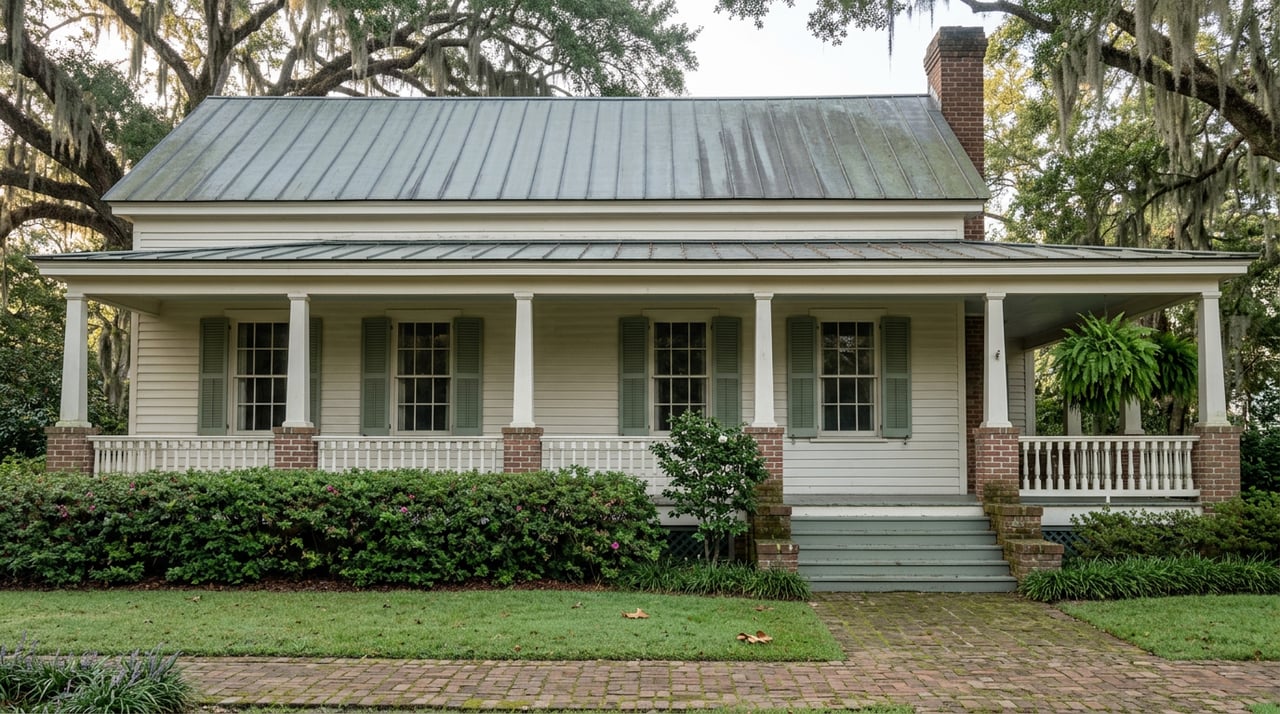
In February, a three-story Victorian near downtown Bartow came on the market at $299,000. It had a metal roof, two working kitchens, oak floors under later tile, and a third-floor attic with the kind of window that makes a whole staircase worth climbing. The listing asked for cash buyers. That single line tells you almost everything about how a historic Bartow sale actually moves, because the house wasn't priced low for lack of charm. It was priced to survive a financing process that a home this age often can't clear on a normal timeline.
That's the piece of the market most guides skip. Bartow's median numbers look manageable: Redfin's April 2026 data put the median sale price at $298,346, with homes averaging 56 days to close. Realtor.com's listing-side figures for the same period ran higher on price and slower on time, a $315,000 median ask and 72 days on market. The gap between those two numbers isn't noise. It's the space where insurance underwriting and historic design review do their work, quietly, on their own schedules, whether or not a buyer is waiting.
If you own or want to buy a home in one of Bartow's three National Register historic districts, the market isn't the thing that decides how fast your sale goes. Two other clocks do. Neither one cares what your contract says.
The Roof Isn't Old Because It Looks Old. It's Old Because the Insurer Says So.
Almost any home in Bartow's historic core is 80 to 130 years past its original roof, wiring, and plumbing, which means a 4-point inspection isn't a maybe. It's a certainty the moment a new carrier gets involved.
Florida insurers use age thresholds to decide whether they'll write a policy at all, and those thresholds vary by material, not just by year built.
| Roof type | Typical age before carriers get cautious |
|---|---|
| Architectural shingle | 15 years |
| Metal or tile | 20 to 25 years |
| Any roof material | 40+ years, inspection required by nearly every carrier |
A 4-point inspection itself is fast and cheap, $75 to $150, often bundled with a wind mitigation inspection for less than the cost of both separately. The delay isn't the inspection. It's what happens after: if the inspector flags a Federal Pacific or Zinsco panel, cloth-insulated wiring, or original cast iron plumbing, most carriers won't bind a policy until that system is replaced or repaired. That's not a same-week fix. It's electricians, permits, and a second inspection, stacked onto whatever timeline your purchase contract already assumes.
A buyer who orders the 4-point after going under contract is often discovering the real repair list two weeks before closing, at the exact moment there's the least room to negotiate it.
The Board That Only Meets When It Has To
The second clock belongs to the city, not an insurer, and it runs on a schedule that has nothing to do with real estate at all.
Bartow's Historic Architectural Review Board, a seven-member panel appointed by the City Commission and drawn largely from architecture, engineering, and the local historical society, has final say over exterior alterations, demolitions, relocations, and new construction on any contributing property inside the city's designated historic districts. Want to swap original wood windows for something easier to maintain, replace porch railings, or change a roof material before listing? If the home is a contributing structure, that work needs a Certificate of Appropriateness first.
The board meets the first Thursday of the month at 4pm in the City Commission Chambers at Bartow City Hall, and only if there's something on the agenda.
Miss that window, and you're not waiting for a decision. You're waiting for next month's meeting to even get on the agenda.
This is where a common assumption trips people up. A National Register listing, on its own, doesn't restrict what a private owner can do to the exterior. It's local historic district designation that triggers the Certificate of Appropriateness requirement. Plenty of buyers assume the two are the same thing and only learn otherwise when they've already ordered replacement windows.
The math on district investment backs up why the city takes this seriously. Main Street Bartow, established in 1984 and Florida's second-oldest Main Street program, was named the state's December 2024 Main Street Program of the Month, with the Florida Department of State crediting the district with more than $70 million in combined public and private investment and 160 net new businesses since its 1986 designation. The organization's own account of downtown's turnaround puts the district at more than half vacant eight years ago and close to full today. That kind of investment is exactly why design review exists and exactly why it isn't going to loosen up to accommodate a listing deadline.
One Address, Two Permit Offices
There's a third friction point that has nothing to do with age or architecture, and it catches people who assume permitting is the same wherever you are in Polk County.
Properties inside Bartow's city limits pull permits through the Bartow Building Department. Properties just outside those limits, even a block or two away, fall under Polk County's permitting office instead. A contractor who assumes the wrong jurisdiction can pull a permit that doesn't actually cover the work, and that mismatch tends to surface at the worst possible moment: during a title search, a buyer's inspection, or an insurance claim after closing.
The confusion is common enough that Polk County's own permitting department staffs a plans examiner out of a Bartow office specifically to field jurisdiction questions. When the county that regulates unincorporated Polk land keeps a phone line inside city limits just to sort out where the boundary actually falls, that tells you something about how often the line gets crossed by accident.
Unpermitted work doesn't just risk a fine. Bartow's own building department notes that construction done without the proper permit can complicate a future sale and may leave damage uncovered by insurance if the unpermitted work caused it. For a home built before either jurisdiction existed in its current form, verifying which office issued which permit is worth doing before you list, not after an inspector asks.
What the Two Clocks Cost You in the April Numbers
Go back to that gap between Realtor.com's 72-day listing figure and Redfin's 56-day closed-sale figure for April 2026. The closed number reflects homes that already cleared underwriting and design review before they ever got a buyer. The listing-side number includes everyone still working through it.
For a median-priced Bartow home, that gap is roughly two to three weeks. In a price-sensitive market where 107 homes closed in April alone, two weeks is the difference between competing with fresh comparable sales and watching your listing age past the point where buyers start asking why it's still up.
The homes that move at the market's real pace aren't the ones with the best photos. They're the ones where someone already called the Historic Architectural Review Board before listing, already scheduled the 4-point and wind mitigation together, and already confirmed which building department has jurisdiction. None of that shows up in a listing description. All of it shows up in how fast the deal actually closes.
The Order That Actually Works
If you're preparing a historic Bartow home for market, or you've fallen for one and want to move without surprises, the sequence matters more than the checklist:
- Confirm the home's status. Ask the city whether it sits in a local historic district (not just on the National Register) and whether it's listed as a contributing structure.
- Schedule the 4-point and wind mitigation inspections together, before you have a buyer, so you know what an insurer will actually flag.
- If any exterior work is planned before listing, file for a Certificate of Appropriateness first and check the board's meeting calendar. Don't schedule contractors around a hoped-for approval.
- Verify which building department, city or county, issued past permits on major systems. Mismatched jurisdiction is easier to fix before a contract than during one.
- Get an insurance quote in hand before you set a list price. A home that's already insurable removes the biggest variable a buyer's lender will ask about.
A Few Questions Worth Settling Early
Does a National Register listing restrict what I can do to my home? Not by itself. National Register status is largely honorary for a private owner. It's local historic district designation that triggers the Certificate of Appropriateness requirement for exterior changes.
My home already has insurance. Do I still need a 4-point inspection to sell it? Your buyer's new carrier will require its own inspection regardless of your current policy. It's worth ordering one yourself early so you know what will come up before a buyer's lender does.
What if I miss the first-Thursday board meeting? The board only meets when there's something on the agenda, so missing the window can mean waiting a full month for the next opportunity to be heard.
Selling or buying a home with this much history takes more than a good photographer and a sign in the yard. It takes knowing which clocks are running before you ever set a closing date. That's the kind of groundwork our team does before a Bartow listing ever goes live, from confirming district status to lining up the right inspector for a home built before most of Florida's current building codes existed.
If you're weighing a historic Bartow property, on either side of the transaction, Premier Realty Network can walk the sequence with you before you're locked into a timeline that doesn't match the paperwork. Schedule a complimentary home consultation with our Lakeland experts and we'll help you figure out which clock to start first.