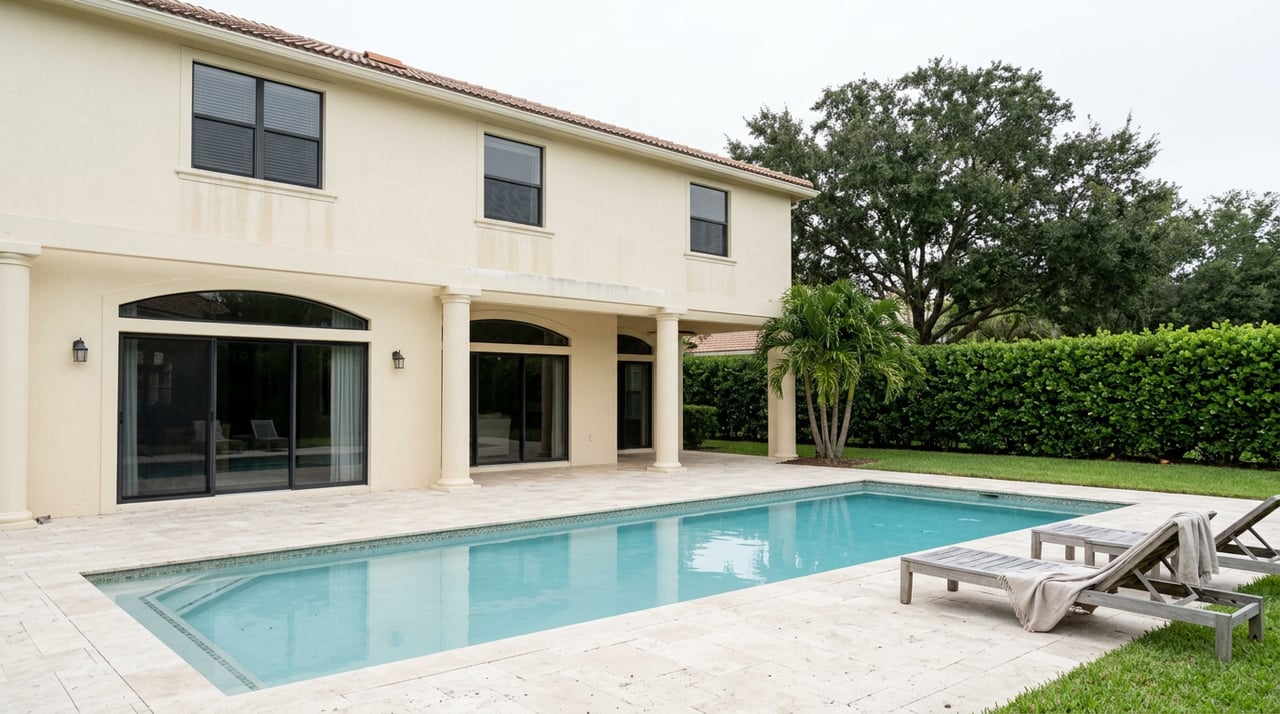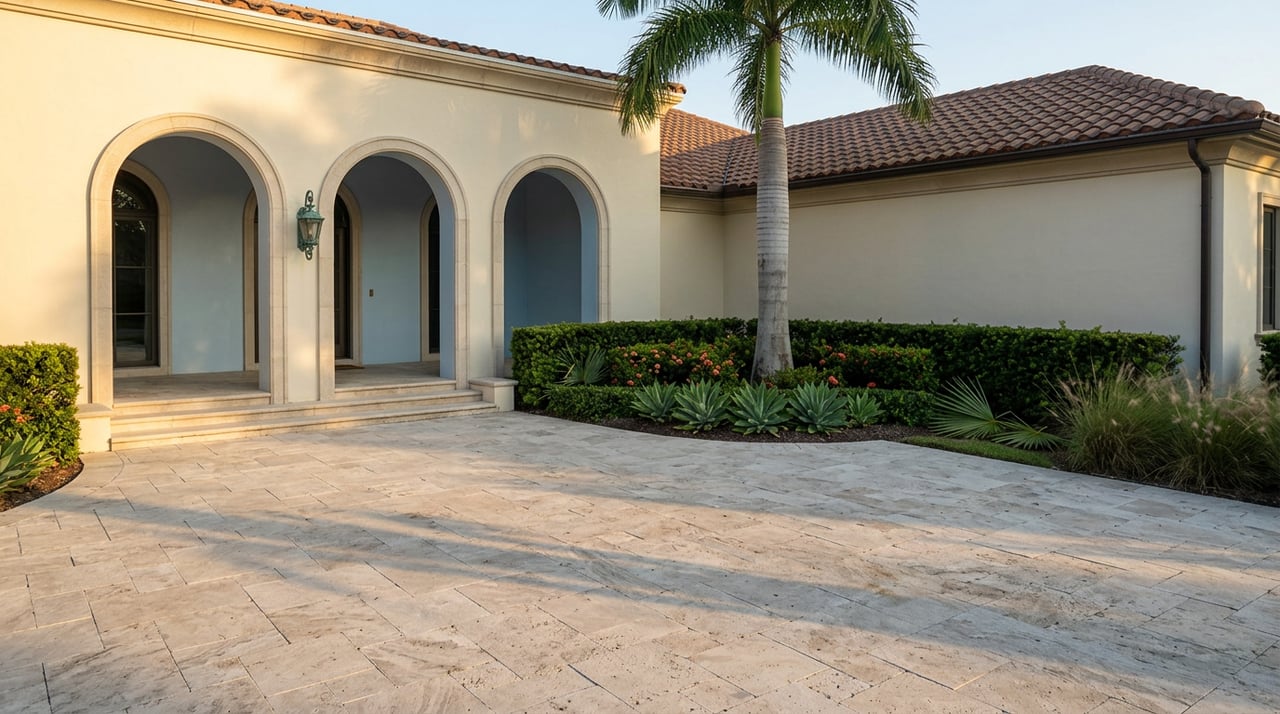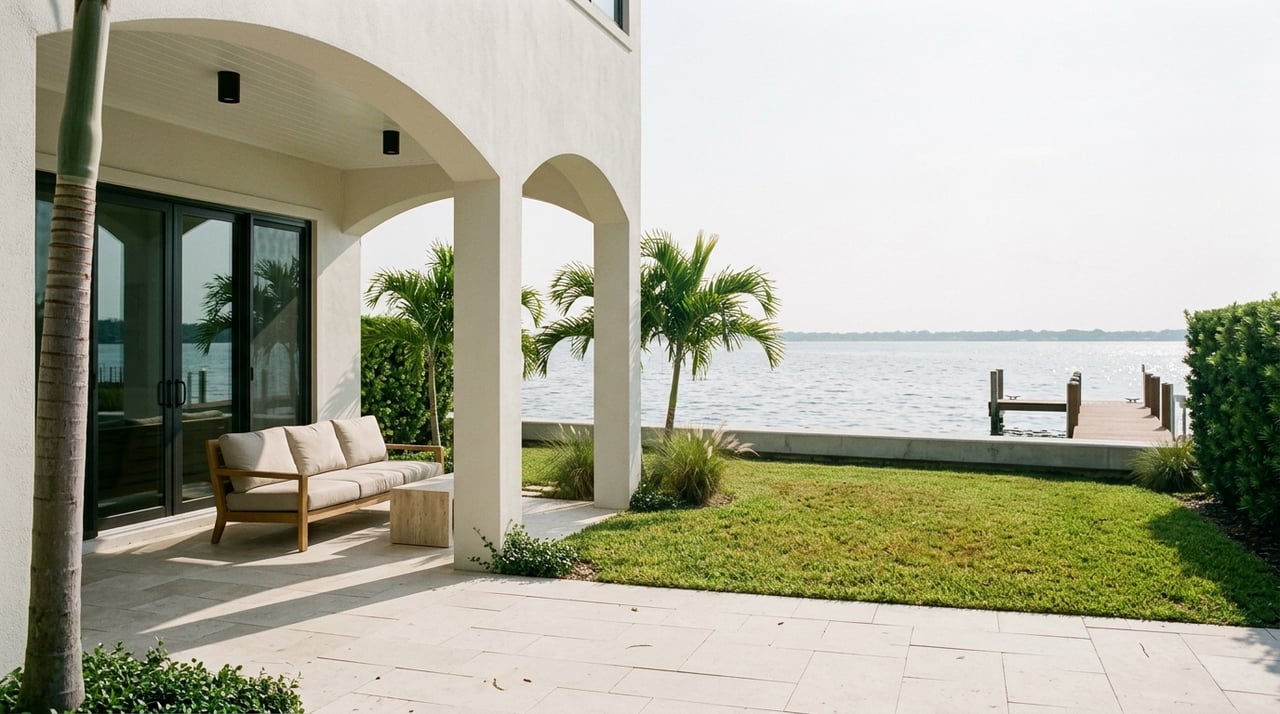
Wondering whether a lakefront home in Winter Haven will sell like any other listing? In many ways, it will not. When your property sits on one of the city’s many lakes, buyers tend to look beyond bedrooms and square footage and pay close attention to water access, shoreline condition, and how the outdoor space lives day to day. This guide will help you understand what buyers, appraisers, and inspectors are likely to focus on so you can prepare with confidence. Let’s dive in.
Why Winter Haven lakefront homes stand apart
Winter Haven is known as the Chain of Lakes City, and that identity shapes how buyers view waterfront property. According to the City of Winter Haven’s lakes overview, the city has 50 lakes within or bordering city limits, along with public boat ramps, docks, piers, and waterfront parks.
For you as a seller, that means your home is part of a very specific lifestyle market. Buyers are often evaluating not just the home itself, but also the view, lake access, shoreline usability, and how easily they can enjoy the water.
That is especially important in Florida, where state law on riparian rights recognizes rights connected to waterfront land, including ingress, egress, boating, bathing, and fishing. Because those rights run with the property when title transfers, buyers may ask detailed questions about dock use, shoreline access, and what they can actually do from the lot.
What buyers notice first
When buyers tour a lakefront home, they usually form an opinion quickly. The first impression often comes from the view line from inside the home, the condition of the waterfront, and whether the outdoor spaces feel easy to use and maintain.
Appraisal guidance from Fannie Mae emphasizes physical and legal characteristics, site, condition, location, and market fit. In practical terms, buyers tend to notice several property features right away:
- The quality and openness of the lake view
- The condition and usability of the dock or seawall
- The functionality of the patio, lanai, or backyard seating area
- The appearance of the shoreline and drainage
- Whether the home feels set up for everyday waterfront living
A beautiful interior matters, but lakefront buyers often place extra weight on the parts of the property that connect directly to the water.
Prepare your shoreline and records
One of the smartest things you can do before listing is organize every waterfront-related document you have. If your buyer is serious, they will likely ask early about permits, repairs, and flood-related information.
The Florida Department of Environmental Protection dock permitting guidance notes that dock permitting can vary based on location and size, and some shoreline structures may require state authorization. If you have records for dock work, seawall work, or repairs, keep them easy to access.
A helpful pre-listing file may include:
- Property survey
- Dock permits or related approvals
- Seawall permits or repair invoices
- Shoreline maintenance records
- Flood insurance details
- Any lake-specific rules that affect your frontage
Having these items ready can reduce uncertainty and help your sale move more smoothly during due diligence.
Landscaping matters more than you think
On a lakefront property, landscaping is not just about curb appeal. It also affects how buyers perceive maintenance, drainage, and care for the waterfront edge.
The Florida DEP’s nonpoint source pollution education resources explain that stormwater runoff can carry fertilizers, pesticides, sediment, leaf litter, and septic nutrients into lakes. That makes a tidy, stable, low-runoff landscape a practical advantage for both presentation and stewardship.
If you are getting ready to sell, focus on simple improvements such as:
- Cleaning up shoreline edges
- Trimming plant growth that blocks the view
- Removing debris near the waterline
- Correcting visible drainage issues where possible
- Keeping lawn and planting beds neat but not overdone
In Winter Haven, where lake living is part of the local identity, buyers often notice whether the waterfront feels cared for.
Check lake-specific use rules
Not every lake frontage is exactly the same. Some local lakes have use restrictions or designated zones that could affect how buyers interpret the property.
For example, Polk County approved vessel exclusion zones for designated swim areas in parts of Lake Winterset, Lake Clinch, and Lake Ariana in 2025. If your home is on one of these lakes, or another lake with specific rules, it is worth confirming what applies to your lot before going to market.
This does not necessarily hurt value, but clarity matters. Buyers appreciate straightforward answers about what is allowed at the shoreline and on the water.
Pricing a lakefront home takes nuance
One of the biggest surprises for sellers is that lakefront pricing is rarely as simple as averaging nearby sales. Waterfront homes tend to require a more careful comparison process because not all lakefront lots offer the same utility, view, or legal characteristics.
Citywide market metrics provide useful context, even though they do not isolate waterfront homes. Public trackers cited in your research show Winter Haven in the high-$200,000s in late winter 2026, with Redfin reporting a February 2026 median sale price of $289,230 and 86 median days on market.
That said, your lakefront home should not be priced off city averages alone. According to Fannie Mae’s comparable sales guidance, the best comps are those with similar physical and legal characteristics, ideally in the same neighborhood when possible.
For waterfront listings, pricing often depends on features like:
- Direct water access
- Dock or seawall usability
- Breadth and quality of the view
- Outdoor living setup
- Flood-zone context
- Documented improvements and permits
If truly comparable lakefront sales are limited, the appraiser may need to use competing-market sales and explain the differences. That is common with unusual or one-off waterfront properties, so it helps to support your price with clear property details and records.
Expect a more detailed appraisal process
Appraisals for lakefront homes usually involve more judgment than appraisals for a typical subdivision property. That does not mean the process is unfair. It just means the appraiser may have fewer direct matches and more property-specific factors to weigh.
Fannie Mae notes that external factors such as FEMA flood-zone classification can affect comparable selection. The Appraisal Institute’s professional practice guidance also points to land-use regulations, supply and demand, physical adaptability, and market trends as relevant valuation factors.
For you, that means features outside the main house can carry real weight. A usable dock, stable shoreline, clear permit history, and broad lake views may influence value just as much as interior finishes.
Winter and early spring can be strong timing windows
Timing matters in any market, but it matters even more on the water. In Winter Haven, winter and early spring often make it easier to show lakefront homes at their best.
A NOAA climate summary for Winter Haven Gilbert Airport shows a normal January temperature of 62.2°F. Comfortable weather can make exterior photography, waterfront cleanup, and in-person showings more pleasant for both sellers and buyers.
There is also a practical insurance and storm-prep angle. NOAA states that Atlantic hurricane season runs from June 1 through November 30, which means winter and early spring can offer a cleaner marketing window before storm logistics, inspection concerns, or seasonal distractions increase.
Be ready for flood insurance questions
If you are selling a lakefront home, buyers may ask about flood insurance early, even before they make an offer. Being prepared with accurate information can help your listing feel more credible and easier to evaluate.
The Florida Office of Insurance Regulation explains that flood insurance is usually separate from a standard homeowners policy. It also notes that high-risk areas have at least a 1 percent annual chance of flooding, federally regulated or insured mortgages in those areas require flood insurance, and many flood policies have a 30-day waiting period.
Before listing, it helps to know:
- Your current flood-zone designation
- Whether you carry a current flood policy
- What the premium is, if applicable
- Any recent insurance or elevation-related documentation you can share
Buyers do not always need every detail on day one, but early clarity can prevent delays later.
What a smooth sale usually looks like
The strongest lakefront sales are usually not rushed. They are prepared. When your home is cleaned up, documented, and priced against true waterfront comparables, you give buyers fewer reasons to hesitate.
In a market like Winter Haven, where lakes are a defining part of the city and each frontage can differ, thoughtful preparation often matters as much as marketing itself. Your goal is to show buyers not only that the home is attractive, but that the waterfront features are understandable, usable, and well cared for.
If you are thinking about selling a lakefront home in Winter Haven, working with a local brokerage that understands presentation, pricing nuance, and Polk County buyer expectations can make the process far less stressful. To schedule a complimentary home consultation with our Lakeland experts, connect with Premier Realty Network Inc..
FAQs
What makes a Winter Haven lakefront home different from a standard home sale?
- Buyers often focus on lake access, shoreline condition, dock or seawall usability, outdoor living space, and riparian rights in addition to the house itself.
What documents should you gather before listing a lakefront home in Winter Haven?
- Helpful documents include a survey, dock and seawall permits, repair invoices, flood insurance information, and any lake-specific rules or related records.
How are Winter Haven lakefront homes usually priced?
- They are typically priced using the closest true waterfront comparables available, with adjustments for features like views, dockability, shoreline utility, and documented improvements.
When is the best time to sell a lakefront home in Winter Haven?
- Winter and early spring are often convenient because the weather is comfortable for showings and photography, and the listing may avoid some of the complications that come closer to hurricane season.
Will buyers ask about flood insurance for a Winter Haven lakefront home?
- Yes. Buyers often want to know the flood zone, whether there is a current flood policy, and what premium or insurance requirements may apply.
Can local lake rules affect a Winter Haven waterfront sale?
- Yes. Some lakes have specific use restrictions or designated zones, so it is smart to verify any rules that apply to your frontage before listing.