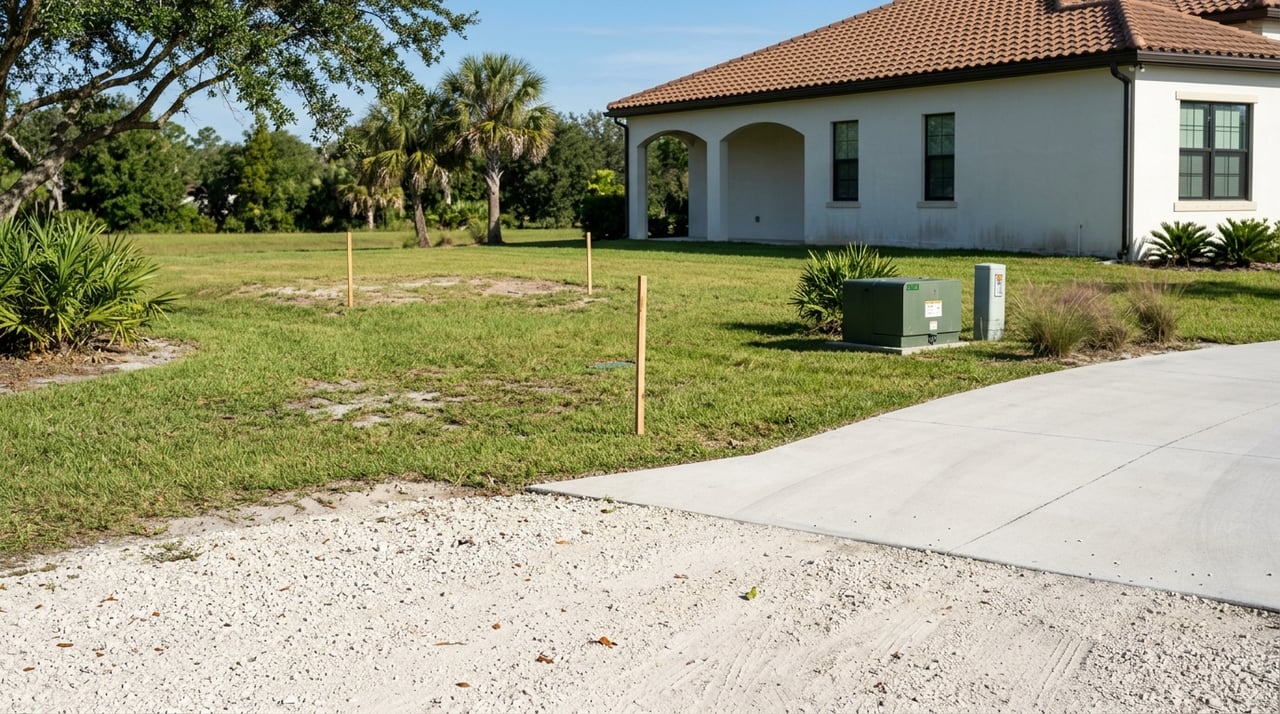
If you are looking at land around Mulberry, parcel size only tells part of the story. A small city lot, a suburban parcel, and a few acres in a rural area can all look promising at first glance, but the right fit depends on utilities, access, zoning, and how the property is mapped. This guide will help you understand the main land options around Mulberry and the due diligence steps that matter most before you buy or sell. Let’s dive in.
Land Types Around Mulberry
Around Mulberry, you will generally find a range of land choices that runs from smaller in-town lots to larger rural tracts. The best option for you depends on whether you want convenience, flexibility, lower infrastructure risk, or more space.
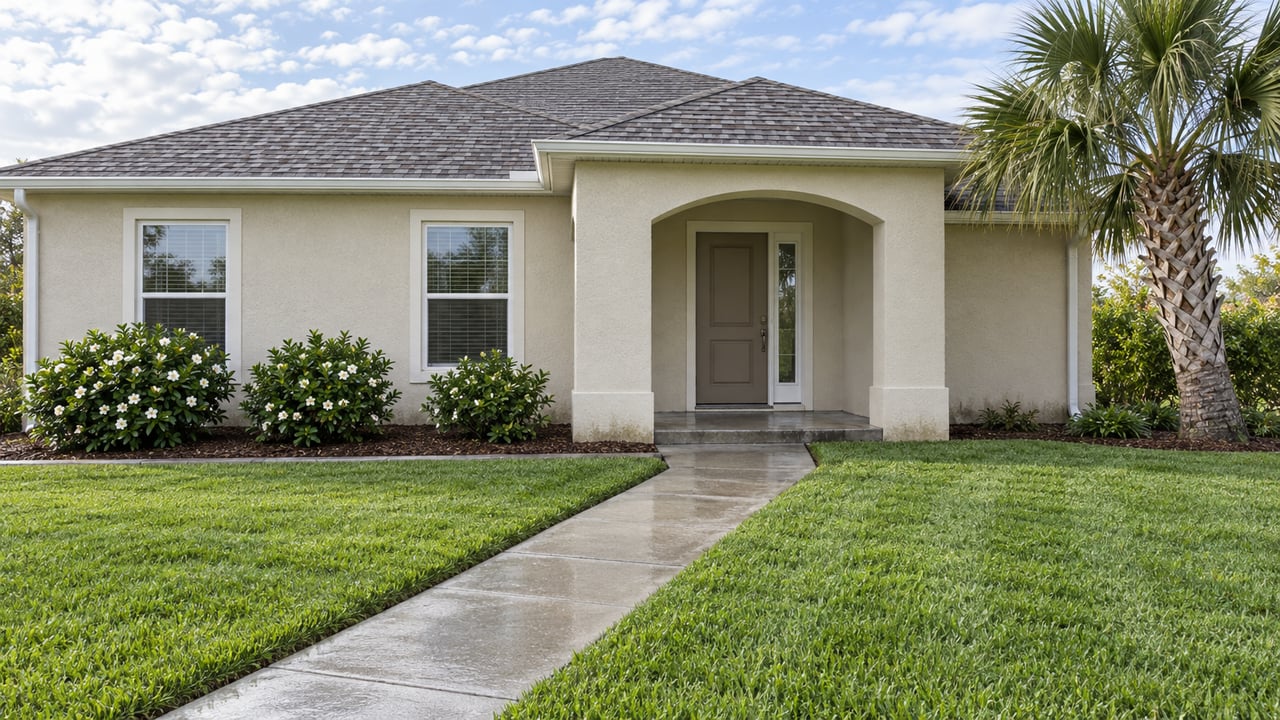
City lots and infill parcels
Within Mulberry, the city’s planning framework supports infill development and redevelopment of vacant parcels in the urban core. The city also promotes removing dilapidated structures to make room for new infill opportunities, according to the City of Mulberry comprehensive plan.
For buyers, that can make city lots appealing if you want to stay closer to existing streets, utilities, and established parts of town. For sellers, it means vacant parcels in the city may attract interest from buyers focused on convenience and redevelopment potential.
Suburban residential parcels
Outside the city core, some nearby land falls within Polk County’s Residential Suburban district. Polk County describes this district as intended for suburban-density residential development and as a transition between rural and urban uses in the Land Development Code.
These parcels can appeal to buyers who want more room than a typical city lot without moving fully into a rural setting. They may also be worth a closer look if you want a future homesite with a more neighborhood-style feel.
Rural and small-acreage tracts
If your goal is more elbow room, Polk County also has areas intended for agricultural and very low-density rural residential development. The county’s Agricultural/Residential-Rural district is intended to preserve productive agricultural uses while allowing rural residential development at very low density, as outlined in the same county code section.
This is where you may find the small-acreage properties many buyers picture when they think about building a custom home or owning land for hobby use. Still, acreage alone does not guarantee the parcel will work for your plans.
Utility-served transition areas
Polk County also identifies Utility-Enclave Areas, which recognize isolated places that already have centralized water and sewer service. These areas can matter if you want something that feels less urban than a city lot but may have more infrastructure than a fully rural tract, based on Polk County’s land development framework.
That middle ground can be attractive, especially if you want to avoid some of the unknowns that come with wells and septic systems.
Why Parcel Size Is Not Enough
One of the biggest mistakes buyers make is assuming a parcel is buildable because it looks usable on paper. Around Mulberry, that is not enough.
Polk County makes clear that development areas are base districts, not land uses by themselves. Buyers should verify both the future land use designation and the zoning district before treating any parcel as buildable, as noted by the City of Mulberry comprehensive plan and Polk County’s land use and zoning mapping resources.
In practical terms, you want the parcel’s zoning, future land use, legal access, floodplain status, utility setup, and any easements or restrictions to line up with your intended use. If even one of those pieces is off, your timeline and budget can change quickly.
Utilities Can Shape the Whole Deal
For many land purchases, utilities become the deciding factor. The difference between available city service and a private well and septic setup can affect both cost and long-term planning.
Water and sewer inside Mulberry
Within the city, Mulberry’s Utilities Division handles water distribution and wastewater collection, including line construction and maintenance. The city also states that septic tanks are only allowed when municipal sewer is unavailable, and that new subdivisions inside the city or annexed into the city must connect to municipal water and wastewater at the developer’s expense, according to the city utilities page and the comprehensive plan.
That means you should never assume utility access is automatic just because a parcel is near other development. You will want to confirm whether service is available, whether extensions are needed, and what the connection process could involve.
Utility questions outside the core
Mulberry and Polk County coordinate planning within Mulberry’s utility service area, including water and sewer service. That makes utility verification important even for nearby land outside the city core, according to the city’s planning framework.
If you are comparing parcels, ask early whether centralized service is available now, likely later, or not expected. The answer can affect your total cost far more than the asking price alone.
Wells, septic, and private systems
On rural tracts, private water and septic are common considerations. The Florida Department of Health in Polk County recommends testing private well water for bacteria and nitrate at least once a year, and well permitting involves both the health department and the Southwest Florida Water Management District, according to the DOH-Polk well permitting guidance.
DOH-Polk also inspects, evaluates, and permits new and repaired septic systems in the county, and work on these systems must be completed by registered septic contractors or licensed plumbers. If you are buying or selling acreage, records for existing wells and septic systems can be very helpful during due diligence.
Wetlands, Drainage, and Flood Risk Matter
Land can be attractive and still come with physical limitations. That is especially true if a property includes low areas, surface water, or possible wetlands.
If construction activity would affect wetlands, alter surface water flow, or contribute to water pollution, the Southwest Florida Water Management District says an Environmental Resource Permit is required. In some cases, conservation easements connected to that review can permanently restrict building, clearing, excavation, and other activities, even after the property changes hands.
Flood risk also deserves an early review. Polk County Floodplain Management can help identify whether an area has flooded before or sits in a Special Flood Hazard Area, and FEMA’s Flood Map Service Center is the official public source referenced by the county for flood-hazard mapping information.
Access and Zoning Need Separate Verification
Even a beautiful parcel can become complicated if access is unclear. Legal access, road frontage, and easements should all be reviewed early.
Polk County notes that recent land-development amendments created standards for access via easement for existing lots of record and changed the level of review for some easement waivers, which is a strong signal that access should never be treated as a small detail. The county also notes that its code is updated biannually and online updates may lag, so staff confirmation is wise, according to the county ordinance update page.
For zoning-related questions, Mulberry provides planning and zoning forms, and Polk County offers a Planner-On-Call service and Land Development support for questions tied to the code, comprehensive plan, and related planning topics. If you are serious about a parcel, getting clear answers from staff early can save time and money.
Smart Questions Buyers Should Ask
Before you move forward on a lot or small-acreage purchase around Mulberry, focus on the basics that shape buildability and cost.
- What is the current zoning district?
- What is the future land use designation?
- Is there legal access and usable road frontage?
- Is the parcel in a flood hazard area?
- Are wetlands or surface-water impacts likely?
- Is city water or sewer available, or will you need well and septic?
- Are there recorded easements or conservation restrictions?
- Are there connection fees, permitting costs, or site-prep expenses to budget for?
Polk County’s Land Development Division works with engineers, surveyors, planners, attorneys, and floodplain staff as part of its review process, which is a good reminder that land due diligence usually needs a team approach. You can learn more from the county’s Land Development Division.
What Sellers Should Gather Before Listing
If you are selling land around Mulberry, preparation can make your property easier to evaluate and market. Buyers usually move faster when key facts are already organized.
Helpful items to gather include:
- A recent survey
- Utility availability confirmation
- Septic or well records, if applicable
- Copies of recorded easements
- Copies of any conservation restrictions
- Notes on access, frontage, or prior site work
These details matter because county staff routinely research legal lots of record, flood hazards, wetland impacts, and site planning issues during the development review process. A better-prepared listing can lead to more informed conversations and fewer surprises once a buyer starts due diligence.
One More Local Detail to Remember
Vacant land still comes with ownership responsibilities. In Mulberry, vegetation over 12 inches on a lot, tract, or parcel is considered a code violation, and owners must control weeds on the property and the adjoining public right-of-way, according to the city’s top code violations page.
If you are holding a lot before building or selling, basic maintenance is part of protecting the property and avoiding unnecessary issues.
The Bottom Line on Mulberry Land
Around Mulberry, the land conversation is really about location, utility access, and regulatory fit, not just acreage. The city core may offer infill and redevelopment opportunities closer to existing infrastructure, while surrounding areas in Polk County can provide suburban-style parcels, utility-served transition areas, or rural tracts with more flexibility and more variables to review.
If you want help evaluating a lot, marketing land for sale, or understanding what questions to ask before you move forward, Premier Realty Network Inc. offers knowledgeable, local guidance across Polk County with the personalized service that land buyers and sellers often need.
FAQs
What types of land are available around Mulberry, Florida?
- Around Mulberry, you may find city lots and infill parcels, suburban residential parcels, rural small-acreage tracts, and some utility-served transition areas depending on location and county mapping.
Can you assume a small-acreage parcel near Mulberry is buildable?
- No. You should verify zoning, future land use, legal access, floodplain status, utilities, and any easements or conservation restrictions before assuming a parcel can be built on.
How do utilities affect land purchases in Mulberry, Florida?
- Utility availability can significantly affect cost and feasibility because some parcels may connect to city water and sewer, while others may require a private well and septic system.
What should land buyers check about wells and septic in Polk County?
- Buyers should confirm permitting, review available records, and understand that private wells and septic systems are regulated through the Florida Department of Health in Polk County and related agencies.
Why does access matter for vacant land around Mulberry?
- Access matters because legal road access, frontage, and easements can affect whether a parcel is usable for future development or even financeable.
What documents should land sellers gather before listing property near Mulberry?
- Sellers should try to gather a recent survey, utility information, well or septic records, and copies of easements or conservation restrictions to help buyers evaluate the property more efficiently.