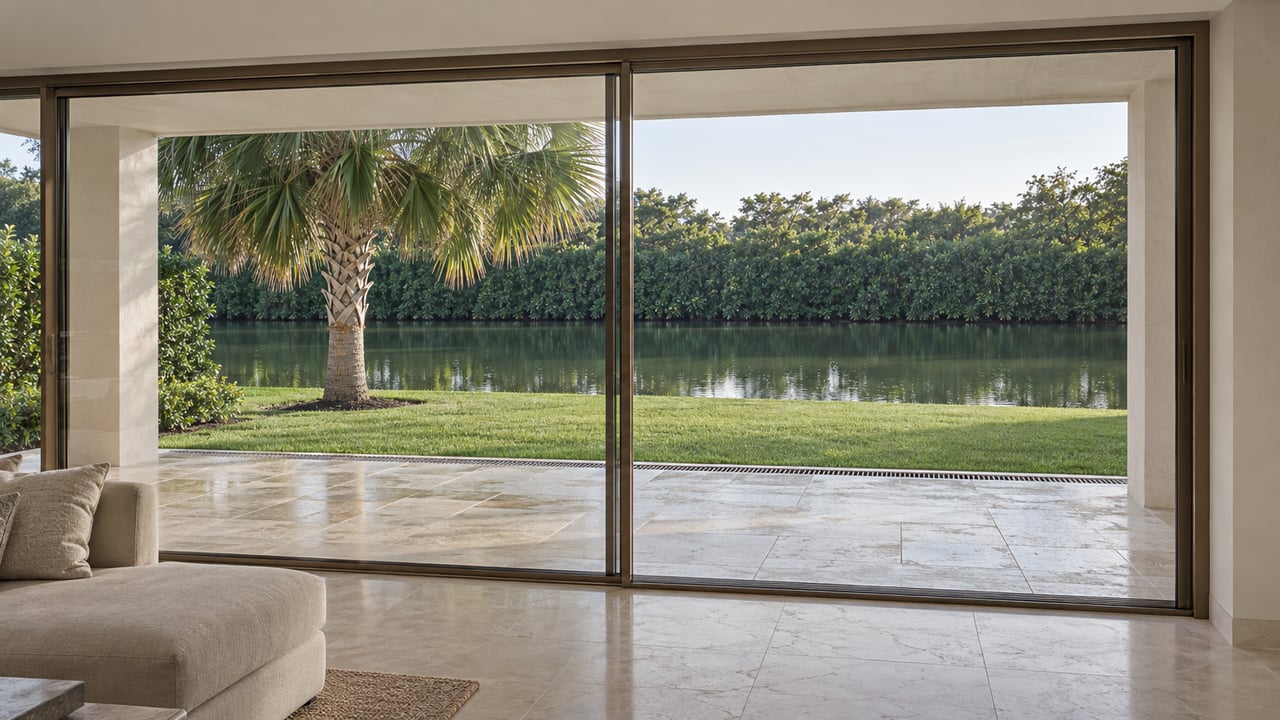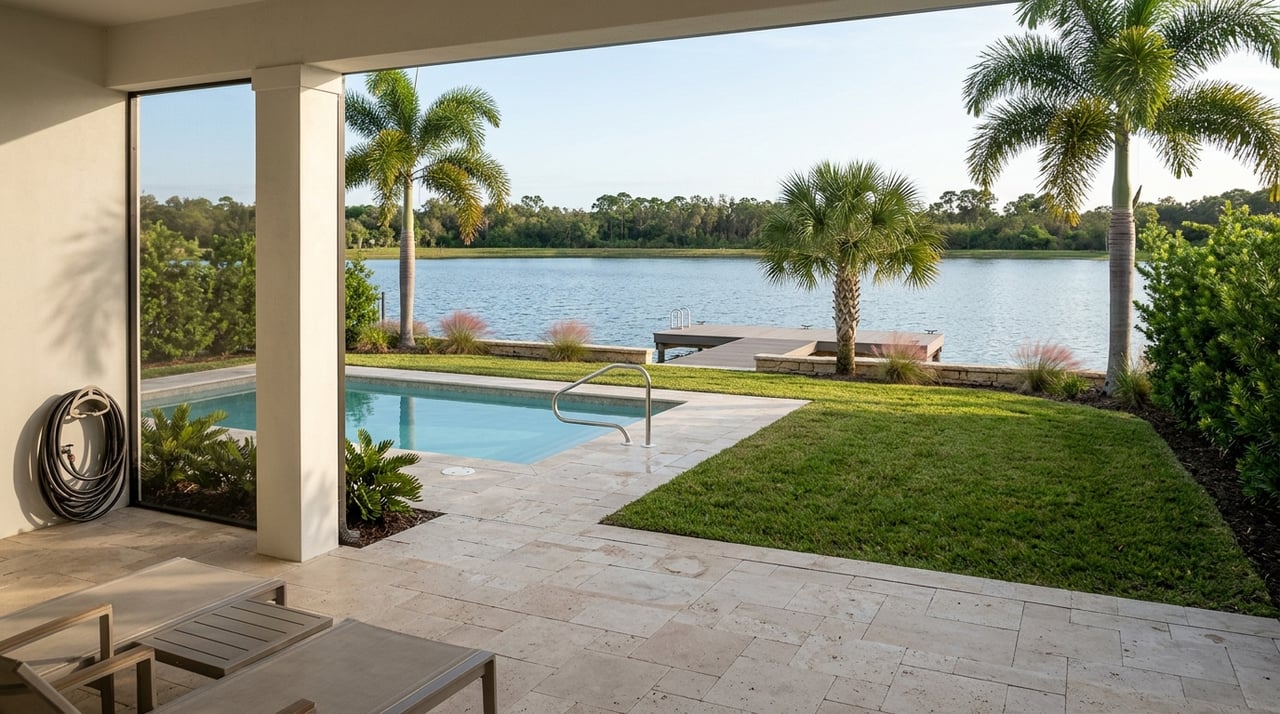
Dreaming about coffee by the water and sunset views from your backyard? In Polk County, that vision can be very real, but lakefront living is not the same from one property to the next. If you are thinking about buying on the water, it helps to understand the lifestyle, costs, and responsibilities before you fall in love with the view. Let’s dive in.
Polk County offers many lakefront lifestyles
Polk County is unusually shaped by water. The Polk County Water Atlas lists 518 water resources, including 436 lakes and 82 rivers, which means lakefront living here is a major part of the housing market rather than a rare niche.
That variety matters because there is no single “Polk County lakefront experience.” One home may sit on a quieter shoreline with limited activity, while another may be part of a more active boating area with regular traffic and public access nearby. Your day-to-day experience can change a lot depending on the lake, shoreline rules, and access points.
The Winter Haven Chain of Lakes is one of the best-known examples. According to the Florida Fish and Wildlife Conservation Commission, it includes 22 lakes covering about 9,000 acres and is split into north and south chains by a lock system. Boating and fishing are popular there, but water quality and habitat can vary from lake to lake.
Another major water-oriented area is the Kissimmee Chain of Lakes Area, which extends through Polk and Osceola counties. FWC says this area spans 21,000 acres, with access primarily by boat. That creates a different lifestyle than a smaller residential lake with fewer public recreation patterns.
Public and private lakes feel different
One of the biggest things buyers overlook is that not every lake works the same way. Polk County’s water inventory includes both public and private lakes, and that affects access, use, and how busy the shoreline may feel.
For example, Lake Hollingsworth is listed as a public lake, while Lake Lulu is listed as private. In practical terms, that can influence how much recreational activity you see, how much privacy you have, and what kind of boating or shoreline use happens around your home.
If privacy is high on your list, this is worth close attention. If you want easy access to boating and a more active waterfront environment, a lake with stronger public use may suit you better. Neither option is automatically better. It simply depends on how you want to live.
What daily life on the water can include
For many buyers, the lifestyle is the main draw. In more active lake areas, you may enjoy boating, fishing, and shoreline recreation as part of your normal routine.
FWC notes that popular access points on the Winter Haven Chain include lakes Summit, Shipp, Howard, Cannon, Hartridge, Conine, Rochelle, and Haines. That helps explain why some lakefront neighborhoods may feel more active than others, especially on weekends or during peak boating times.
This can be a major plus if you want an energetic waterfront setting. It can also be a tradeoff if you are looking for a calmer shoreline with less traffic. When you tour homes, it is smart to think beyond the property lines and imagine what the surrounding lake activity may feel like throughout the week.
Water safety should be part of your plan
Lake access brings fun, but it also requires care and preparation. The Florida Department of Health in Polk County says drowning is a serious issue and notes that Polk County’s drowning death rate was higher than the state average in the cited year.
The department recommends active supervision around water, properly sized life jackets while boating, and no alcohol while operating a boat. These are not small details. They are part of responsible lakefront living.
If you are moving to the water for the first time, think about safety as part of the lifestyle, not an afterthought. That includes planning for visitors, children, and anyone who may be unfamiliar with being around docks, seawalls, or open water.
Lakefront ownership comes with extra responsibilities
A lakefront home often involves more upkeep and more rules than a similar home off the water. Many first-time waterfront buyers are surprised to learn how much of the ownership experience extends beyond the house itself.
Polk County says permits are required for commercial and residential docks, piers, seawalls, boathouses, bulkheads, and boat ramps. If a property already has one of these features, you will want to confirm the permitting history. If you plan to add or change something later, you should understand those requirements early.
Shoreline maintenance also matters. The Polk County Water Atlas notes that maintaining a vegetated upland margin and shallow subtidal margin is important for fisheries, water quality, and wildlife. In addition, FWC requires a permit to control, eradicate, remove, or otherwise alter aquatic plants in most surface waters.
That means lakefront ownership is not only about enjoying the view. It also means understanding how to care for the shoreline in ways that meet local and state requirements.
Septic, wells, algae, and mosquitoes matter too
Some lakefront homes may have systems or environmental factors that need extra attention. If a property uses septic, the Florida Department of Health in Polk County inspects, evaluates, and permits new and repaired systems, and only registered septic tank contractors or licensed plumbers may work on onsite sewage systems.
If the home has a private well, DOH Polk says owners are responsible for making sure the water is safe and strongly recommends bacteria and nitrate testing at least once a year. Those are important ownership costs and tasks to understand before closing.
You should also be prepared for occasional environmental issues that come with living near water. Polk County DOH provides statewide water-quality information for blue-green algae, and Polk County Mosquito Control maintains a service-request system for nuisance mosquito problems.
None of this means you should avoid lakefront property. It simply means you should evaluate the full picture, including the systems and conditions that may affect everyday comfort and maintenance.
Flood and insurance questions to ask early
If there is one topic every lakefront buyer should take seriously, it is insurance. Florida’s Office of Insurance Regulation says flood damage is not normally covered by a homeowners policy and must be purchased separately.
Timing matters too. FEMA says new National Flood Insurance Program policies typically have a 30-day waiting period before coverage begins. For buyers, that means flood insurance is not something to leave until the last minute.
Polk County Floodplain Management advises buyers to check whether a property has flooded in the past or sits in a Special Flood Hazard Area. The county also notes that flood insurance is mandatory for most mortgage holders in high-risk areas.
It is also important not to assume that only obvious waterfront lots face flood concerns. Flood risk can affect many properties, so parcel-specific map checks are essential. A beautiful lot on the water may still be the right fit, but you want a clear understanding of the risk and the ownership costs before you make an offer.
Wind mitigation can affect ownership costs
Waterfront buyers also need to think beyond flood risk. Florida’s Office of Insurance Regulation says insurers must offer discounts for qualifying wind-mitigation features, and the agency updated the Uniform Mitigation Verification Inspection Form effective April 1, 2026.
In practical terms, roof condition, opening protection, and other mitigation features can influence what you pay to insure the home. That can make two similar-looking properties very different in total monthly cost.
When you compare lakefront options, it helps to look at the full ownership picture:
- Purchase price
- Flood insurance needs
- Wind-mitigation features
- Shoreline and dock maintenance
- Septic or well requirements, if applicable
- Recreation access and traffic level
Is lakefront living right for you?
For the right buyer, Polk County lakefront living can be incredibly rewarding. You may gain daily water access, scenic views, boating opportunities, and a stronger connection to the outdoor lifestyle that draws so many people to Central Florida.
At the same time, lakefront ownership works best when you are comfortable with added complexity. Permits, insurance review, maintenance, safety planning, and environmental factors all play a bigger role than they do with a typical non-waterfront home.
If you love the idea of being near the water but want fewer ownership variables, a non-waterfront home near the same lake may be worth considering. In some cases, that can offer a strong lifestyle balance without the same level of upkeep and risk review.
The key is finding the version of lake living that matches your priorities. That is where local guidance matters. With so many different lakes, access patterns, and property types across Polk County, the best fit is rarely one-size-fits-all.
If you are weighing lakefront options in Lakeland, Winter Haven, or elsewhere in Polk County, Premier Realty Network Inc. can help you compare the lifestyle benefits, ownership details, and local market options with the personal guidance you deserve.
FAQs
What makes Polk County lakefront living unique?
- Polk County has 518 water resources, including 436 lakes and 82 rivers, so buyers can choose from many different waterfront settings rather than one single type of lake lifestyle.
What should buyers know about public vs. private lakes in Polk County?
- Public and private lakes can offer very different experiences in terms of access, recreational activity, traffic, and privacy, so it is important to verify the specific lake type before buying.
What permits may be needed for a Polk County lakefront property?
- Polk County says permits are required for features such as docks, piers, seawalls, boathouses, bulkheads, and boat ramps.
What insurance questions should buyers ask about Polk County lakefront homes?
- You should ask whether the property is in a Special Flood Hazard Area, whether it has flooded in the past, whether flood insurance will be required, and how wind-mitigation features may affect insurance costs.
Are septic systems and private wells common concerns for Polk County lakefront homes?
- They can be, depending on the property, and buyers should understand inspection, permitting, maintenance, and annual water testing responsibilities if those systems are present.
Is a non-waterfront home near a Polk County lake sometimes a better fit?
- Yes, for some buyers, a nearby non-waterfront home can provide access to the lake lifestyle while reducing some of the extra ownership responsibilities that often come with direct waterfront property.