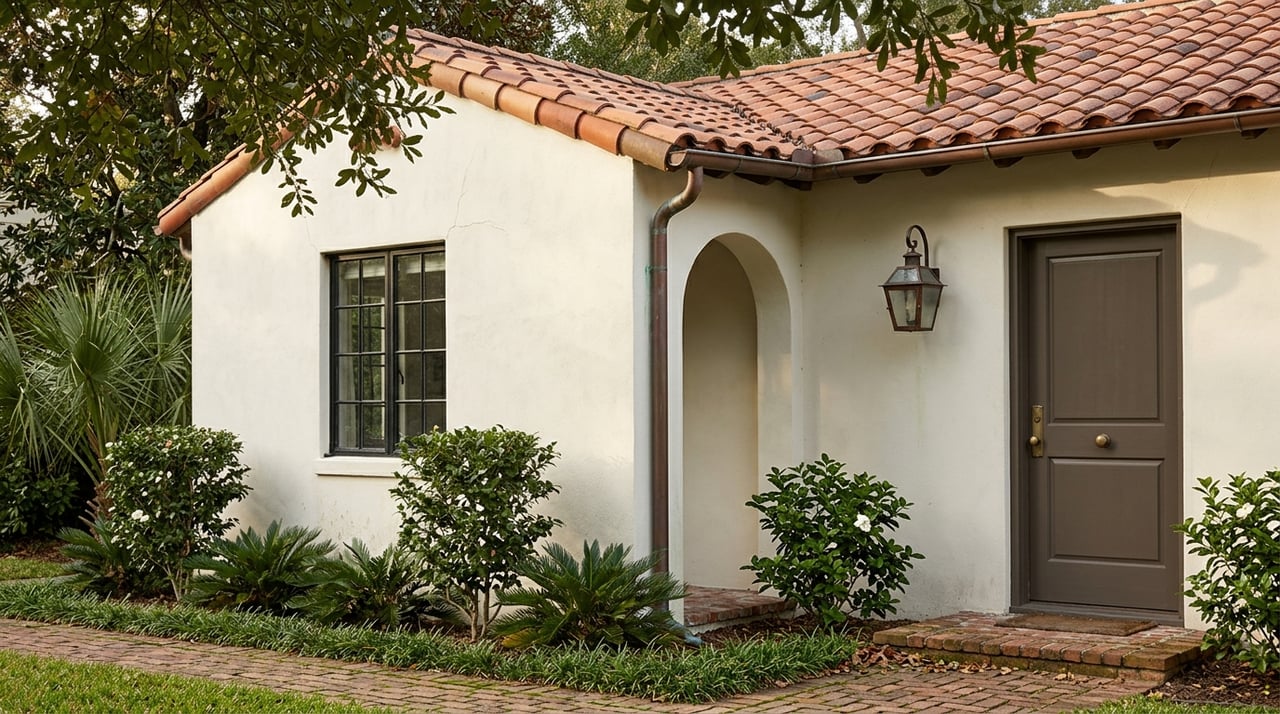
If you have fallen for a historic home in Bartow, you are not alone. These older properties often offer architecture, craftsmanship, and curb appeal that newer homes simply cannot copy, but they also come with questions about upkeep, permits, and future costs. If you know what to look for before you buy, you can enjoy the charm with far fewer surprises later. Let’s dive in.
Why Bartow historic homes stand out
Bartow’s older homes are part of what gives the city its distinct character. The city’s history notes many homes were built in the late 19th and early 20th centuries, and historic residential areas are clustered near the city’s historic core.
In the Northeast Bartow Residential District, homes commonly include wood-frame vernacular styles along with Colonial Revival, Classical Revival, Queen Anne, and Bungalow designs. Many date to about 1900 to 1915 and may feature hip roofs, double-hung sash windows, wood siding, verandas, tapered columns, brick piers, brackets, and decorative porch trim.
That appeal is often tied to original materials and preserved details. It also means you may be buying a home with older construction methods, aging systems, or past additions completed under very different standards than today.
Separate charm from condition
A beautiful front porch or original trim can make a strong first impression, but historic appeal should never replace careful due diligence. When you buy an older Bartow home, the goal is to appreciate the character while confirming the property’s real condition.
Older homes do not automatically mean major repairs are ahead. Still, the combination of age, Florida weather, and long ownership histories can increase the odds of deferred maintenance, hidden wear, or repairs that need to be addressed sooner than expected.
Inspect moisture and wood issues closely
In Florida, moisture deserves your attention early. Excess moisture can lead to mold, and it can also create the kinds of conditions that attract certain termite activity.
UF/IFAS notes that Florida termite issues include drywood, dampwood, and subterranean termites. Drywood termites can infest sound wood, including attic framing, fascia boards, window sills, doors, flooring, and even furniture. Dampwood termites are more closely tied to high-moisture wood and free-water sources such as roof leaks, wood-to-soil contact, and sprinkler irrigation.
That is why roof condition, drainage, signs of rot, plumbing leaks, and any history of water intrusion matter so much in a Bartow historic home. You should also look at whether exterior wood sits too close to the soil and whether the home appears easy to inspect and maintain over time.
Specialized inspections can be worth it
A general home inspection is a good starting point, but it may not tell the full story in an older house. In Florida, buyers often benefit from specialized review for termites or other wood-destroying organisms, moisture concerns, and suspected mold.
UF/IFAS identifies WDO inspectors and mold assessors as state-regulated inspection categories in Florida. For a historic home, those extra layers of review can help you understand whether you are looking at routine maintenance or a more expensive repair path.
Check for lead before planning updates
If the home was built before 1978, lead-based paint is another issue to keep on your radar. Older homes are more likely to contain lead-based paint, and that becomes especially important if you plan to sand, scrape, cut into walls, or complete other renovation work that could disturb painted surfaces.
If remodeling is part of your plan, budget for lead-safe practices and, when needed, lead-safe certified contractors. This is one of those costs buyers often miss when they focus only on design updates.
Verify flood status early
Flood status is another item to confirm as soon as possible. FEMA states that flood insurance is a separate policy, and homes in high-risk flood areas with government-backed mortgages are required to carry it.
Even if you are still early in your search, it helps to understand whether flood insurance may become part of your monthly housing cost. That step can make a meaningful difference in your budget and buying strategy.
Review Bartow permit history
With older homes, the past matters. If a property has had additions, roof work, porch repairs, window replacement, siding work, or utility upgrades, ask for the permit history and any available contractor records.
Bartow’s Building Department states that permits are required before you construct, enlarge, alter, move, replace, repair, improve, convert, demolish, or change the occupancy of a building or structure. The city also requires permits for accessory buildings and improvements such as detached garages, carports, workshops, storage sheds, fences, and pools.
All permitted work must be inspected. The city also warns that unpermitted work can lead to fines, sale complications, and possible insurance issues if a loss is connected to work completed without a permit.
Why permit records matter to buyers
Permit records can help you answer practical questions before you close. Was the porch repaired properly? Was the roof replaced with permits? Were later additions or exterior changes reviewed and inspected?
In a historic home, these details matter because older houses can hide work done years ago. A quick review now can save you from inheriting problems that affect safety, resale, or future renovation plans.
Confirm whether historic review applies
Not every old home is subject to the same rules. Some properties simply have historic-era character, while others may sit within a designated historic district or qualify as contributing historic properties under local review standards.
In Bartow, the Historic Architectural Review Board has authority to review proposed alterations, demolitions, relocations, and new construction within historic district boundaries. If you are considering exterior changes, this distinction matters.
Before you assume you can replace windows, alter a porch, change siding, or make other visible updates, confirm whether the home falls under local historic-review requirements. That step helps you plan your timeline, budget, and contractor conversations more accurately.
Budget beyond cosmetic updates
Historic homes often inspire plans for paint colors, kitchen upgrades, or landscaping improvements. In Bartow, your first budget should go beyond appearance and account for the realities of age, moisture, pests, and code-compliant work.
A practical budget may need to include:
- General and specialty inspections
- Roof or drainage improvements
- Termite treatment or prevention measures
- Paint stabilization or lead-safe renovation practices
- Permit-related costs
- A reserve for hidden repairs
This approach gives you a more realistic picture of ownership. It also helps you avoid spending your budget on finishes before addressing the systems and maintenance issues that protect the home.
Get multiple contractor bids
Bartow recommends getting written quotes from more than one contractor and advises getting at least three bids. The city also advises checking insurance, paying by check instead of cash, and waiting to sign a completion certificate until the work is finished and the final inspection is approved.
For buyers of historic homes, this is especially helpful. Costs can vary widely depending on materials, access, repair scope, and whether work must fit local permit or historic-review requirements.
Do not assume tax breaks apply
Some buyers assume a historic home automatically comes with tax incentives. That is not always the case.
The National Park Service states that the federal 20% historic rehabilitation tax credit is generally available only for income-producing properties, not typical owner-occupied single-family homes. If you are buying a primary residence, it is smart to base your budget on actual ownership costs rather than hoped-for incentives.
A smart Bartow buyer checklist
Before you move forward on a historic home in Bartow, focus on a few key steps:
- Verify whether the home is in a local historic district or simply has historic character
- Review permit history for additions, roof work, porch repairs, and major system upgrades
- Schedule a general inspection and consider specialized inspections for WDO, moisture, and suspected mold
- Check for signs of water intrusion, drainage issues, leaks, rot, and wood-to-soil contact
- Ask whether any planned renovation could involve lead-safe work
- Confirm flood status and whether flood insurance may be required
- Get multiple contractor bids and keep reserve funds for hidden repairs
A historic home can be a rewarding purchase when you go in with clear expectations. The key is to treat charm as a bonus, not a substitute for careful research.
If you are considering a historic home in Bartow and want thoughtful local guidance through the details, Premier Realty Network Inc. is here to help you buy with confidence.
FAQs
What should you inspect first in a historic home in Bartow?
- Start with the home’s overall condition, then pay close attention to moisture, roof condition, drainage, leaks, rot, and signs of termites or other wood-destroying organisms.
Does buying an older home in Bartow mean major repairs are guaranteed?
- No. Older homes do not automatically require major repairs, but their age and Florida conditions can increase the chance of deferred maintenance and repair needs.
Do Bartow historic homes need permits for repairs or improvements?
- Yes. Bartow states permits are required for many types of work, including repairs, alterations, replacements, additions, and improvements to structures and certain exterior features.
Are all older homes in Bartow subject to historic-review rules?
- No. Some homes are simply older, while others may be within a designated historic district or subject to local historic review, so you should confirm the property’s exact status.
Should you budget for more than a standard inspection on a Bartow historic home?
- Yes. In many cases, it makes sense to add specialized inspections for termites or other WDO issues, moisture concerns, and suspected mold.
Does a historic home in Bartow automatically qualify for a tax credit?
- No. The federal 20% historic rehabilitation tax credit is generally for income-producing properties, not typical owner-occupied single-family homes.