New to Polk County’s lakes and wondering how to handle a busy public ramp without stress? You’re not alone. Launch days move fast, and a few smart habits can make the difference between a smooth start and a frustrating backup. In this guide, you’ll learn what to expect at local ramps, how to launch and load safely, the etiquette that keeps lines moving, and where to check rules or closures before you go. Let’s dive in.
Polk County ramp basics
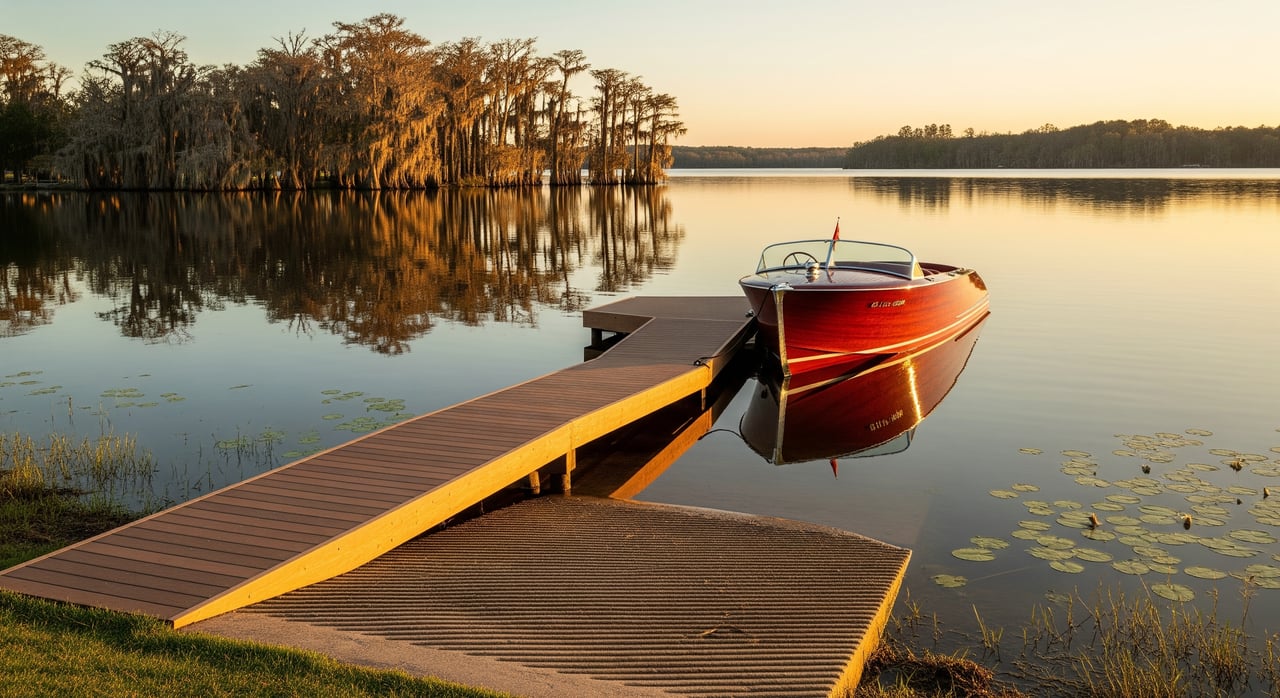
Public boat ramps around Polk County vary a lot in design, amenities, and who manages them. You’ll see everything from simple concrete lanes to full parks with restrooms and trailer parking. Because policies differ by owner, always confirm details with the managing agency before you head out.
What you may find at ramps
- Fixed concrete ramps with one or more lanes
- Floating docks or finger piers that help at changing water levels
- Primitive or gravel launches better suited to smaller craft
- Amenities that may include trailer and vehicle parking, restrooms, picnic areas, information kiosks, or a boat wash station
- Different owners and managers, including Polk County Parks & Recreation, city parks departments in places like Lakeland or Winter Haven, or the State of Florida
Facilities, hours, and fees depend on the owner. Read posted signs on site and follow any lane markings or staging areas.
Fees, permits, and registrations
- Florida requires vessel registration for most motorized boats and some towed vessels. Registration numbers must be displayed and proof kept onboard.
- Some county and city ramps charge day-use or parking fees, while others are free. Fees and hours are set by the site’s managing agency.
- Special permits are often required for tournaments or commercial use. Confirm event permissions in advance.
Where to confirm ramp info
Before you go, check for current rules, closures, or parking restrictions.
- Polk County Parks & Recreation for county-managed ramps, maps, hours, and fees
- City parks departments for ramps in Lakeland, Winter Haven, Lake Wales, and other municipalities
- Florida Fish and Wildlife Conservation Commission for statewide boating facility information and safety guidance
- Polk County Sheriff’s Office or local marine units for enforcement notices and temporary closures
A quick call or review of official pages can help you avoid surprises like low water, maintenance, special events, or limited trailer parking.
Simple launch game plan
Launching gets easier with a set routine. Assign roles, prepare off the ramp, and keep the lane clear for the next boater.
Before you arrive at the ramp
- Prep the boat in the parking area, not on the ramp
- Remove transom tie-downs, safety chains, and engine block if applicable
- Confirm fuel, battery, and bilge systems are ready
- Stow gear and make life jackets and throwable devices easy to reach
- Coil dock lines and have keys handy
- Agree on roles for backing, spotting, and handling lines
At the ramp: step by step
- Line up in the staging area and keep vehicles clear of the ramp until it’s your turn.
- Back the trailer in only as far as needed to float the boat free.
- Once the boat is launched, move the vehicle and trailer to the designated parking area right away.
- Tie off briefly to a dock or hold in an open area to finish any final prep.
- On return, approach slowly, load passengers when the boat is secure, pull the boat onto the trailer, and drive forward out of the lane to finish tie-downs.
Quick pre-launch checklist
- Life jackets for each person and a throwable device if required
- Engine starts, battery charged, fuel verified
- Trailer lights working, tie-down straps removed
- Drain plug in place
- Tow and dock lines ready
- Phone and emergency contacts available
Ramp etiquette that keeps things moving
Shared ramps work best when everyone follows the same basic courtesies.
Do
- Prepare off the ramp so your time in the lane is short
- Use a spotter when backing trailers
- Launch one boat per lane at a time
- Move your vehicle to trailer parking immediately after launch
- Keep pets and kids safe and close by
- Watch your wake near docks and swimmers, and follow posted no-wake areas
- Clean up trash and fishing line before you leave
Don’t
- Block adjacent lanes or cut the line
- Park trailers outside designated areas or in grass
- Tie up at the ramp dock longer than necessary
- Fish or swim from the ramp
- Idle loudly near private docks or shoreline areas
- Leave fuel or oil spills
Courtesy and patience go a long way, especially on busy weekends and holidays.
Safety and rules to remember
Florida’s boating rules apply on Polk County waters. Check the latest Florida Fish and Wildlife Conservation Commission guidance for full details.
- Required safety gear. Carry a wearable life jacket for each person on board. Depending on your vessel and operation, you may also need a throwable device, a fire extinguisher, visual distress signals, and navigation lights for night use.
- Registration and titling. Florida law requires proper vessel registration, visible numbers, and proof onboard.
- Boating under the influence. Operating a vessel while impaired is illegal. FWC and local law enforcement actively enforce BUI laws.
- Speed and no-wake zones. Follow posted limits, especially near docks, swimming areas, and wildlife habitats. Violations can lead to fines.
- Night operation. Use required navigation lights after sunset. Many inland launches are closed or not recommended at night due to reduced services and added hazards.
- Local ordinances. Some lakes or cities may add rules such as horsepower limits, wake restrictions, seasonal closures, or personal watercraft curfews. Always follow posted signs.
Protect Polk’s lakes
Help keep local waters healthy and clear of invasive species. A few simple habits make a big difference.
- Clean, drain, dry. Remove plants and mud from your boat, trailer, and gear. Drain bilges and livewells, and let equipment dry before visiting another lake.
- Handle fuel and waste with care. Avoid refueling over water, use spill prevention tools, and dispose of waste properly.
- Respect wildlife. Do not feed birds or other wildlife. Keep a safe distance from nesting areas and shorelines.
Seasonal and local tips
- Peak use. Expect heavy traffic during winter and spring holidays, on weekends, and during cooler months when seasonal visitors arrive.
- Water levels. Central Florida lakes can change quickly after storms or during dry spells. Low or high water can affect ramp usability.
- Parking. Trailer parking can fill up early at popular ramps. Have a backup plan and follow posted overflow guidance.
- Families and pets. Ramps are active work zones with moving trailers and slick surfaces. Keep a close eye on kids and pets.
Quick resource guide
Use these resources to confirm specifics for your lake and ramp before you go.
- Polk County Parks & Recreation: County-managed ramps, park maps, hours, and fee updates
- City parks departments: Lakeland, Winter Haven, Lake Wales, and other cities for city ramps and local ordinances
- Florida Fish and Wildlife Conservation Commission: Boating rules, safety equipment lists, and statewide ramp information
- Polk County Sheriff’s Office and municipal marine units: Enforcement info, safety notices, and non-emergency questions
If you do not see a posted rule answered online, call the managing agency directly. Policies can change for events, maintenance, or weather.
Ready to enjoy lake life?
Lake days are one of the best parts of living in Polk County. When you know how to prep off the ramp, launch smoothly, and follow local rules, you set yourself up for a safe and easy day on the water. If lakefront living is on your wish list, our Lakeland-based team has guided buyers and sellers across Polk County since 2004. We can help you find the right home and community to match your lake lifestyle.
Schedule a complimentary home consultation with our Lakeland experts at Premier Realty Network. We are ready to help you plan your next move.
FAQs
Do I need a Florida boater safety card?
- Florida requires boater education for certain operators based on age and horsepower. Check current Florida Fish and Wildlife Conservation Commission guidance for details and exemptions.
Are Polk County public ramps first come, first served?
- In most cases yes, but some ramps reserve lanes or time blocks for tournaments and events. Always follow posted signs.
Can I leave my trailer at a ramp overnight in Polk County?
- Policies vary by location, and many ramps prohibit overnight trailer parking. Confirm rules with the managing agency.
What should I do if I’m new to backing a trailer?
- Practice in an empty parking lot before visiting a busy ramp and bring a helper to spot and guide you.
Is it OK to fish from a public boat ramp?
- Fishing from the ramp is discouraged and often unsafe. Use designated fishing piers or shoreline areas instead and follow posted rules.
Who should I contact about unsafe conditions or an accident on the water?
- Call 911 for emergencies. For non-emergencies or to report hazards and violations, contact the Polk County Sheriff’s Office or the FWC regional office.