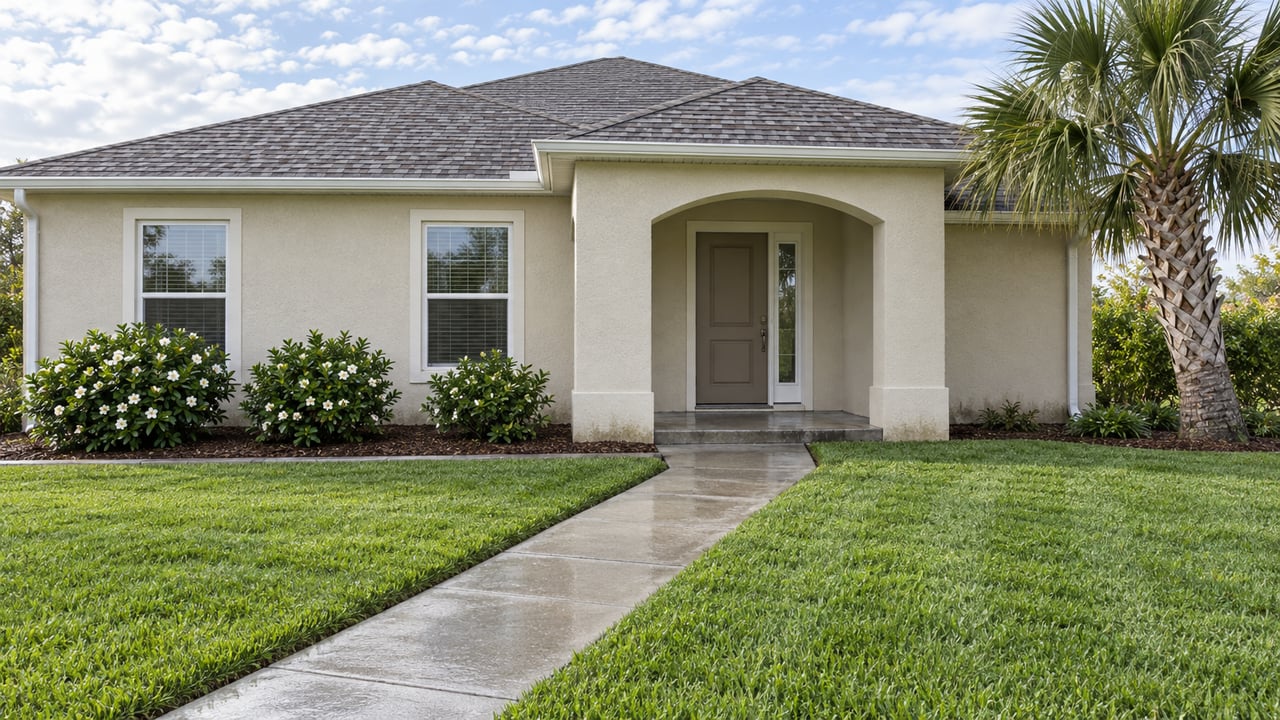
Buying a home in Polk County and want to lower your property tax bill the right way? If this is your primary residence, Florida’s homestead rules can help reduce your taxable value and stabilize future assessments. The process is straightforward, but the timing is strict. In this guide, you will learn who qualifies, the deadlines that matter most, what to bring when you apply, and how portability works if you moved from another Florida homestead. Let’s dive in.
Florida homestead basics
Florida’s homestead exemption is a property tax benefit for your primary residence. It can reduce your taxable assessed value and, once established, applies an annual assessment cap under state law. It also provides portability options if you move to another Florida home and may carry other legal protections.
For a clear overview of statewide rules, see the Florida Department of Revenue’s property tax guidance, including homestead, Save Our Homes, and portability resources on the department’s property tax site.
- Learn more at the Florida Department of Revenue’s property tax pages: Florida Department of Revenue property tax guidance
- For statutory details, you can review Florida Statutes, Chapter 196
Key benefits for homeowners
- Reduced taxable value on your primary residence once approved.
- Save Our Homes assessment cap that limits yearly increases to a state-defined amount, commonly the lower of 3% or the Consumer Price Index.
- Portability that can allow you to transfer some or all of your Save Our Homes benefit to a new Florida homestead.
Who qualifies in Polk County
To qualify, you must own the property and make it your permanent residence. Ownership can be in your name or another qualifying form of ownership. The home must be your primary dwelling, not a second home or short-term rental.
Primary residence and January 1 rule
To receive the exemption for a given tax year, you generally must own and occupy the home as your permanent residence on January 1 of that year. This date is central to eligibility. Evidence of occupancy and intent can include your Florida ID, voter registration, and other domicile indicators.
Ownership types and special cases
Homes owned in trusts can qualify if the trust and beneficiaries meet state requirements. Multiple owners need to meet the permanent residence test, and a non-resident co-owner may impact eligibility. U.S. citizenship is not required. Active-duty military can have special domicile considerations. If any of these apply, contact the Polk County Property Appraiser for guidance.
Deadlines Polk County buyers must know
Two dates matter every year, no matter where you live in Polk County: be the owner-occupant on January 1, and file your homestead application by March 1.
New buyers: timing by closing date
- If you close and move in before January 1, you can apply for that tax year, as long as you file by March 1.
- If you close after January 1, you generally cannot receive the exemption for that year. Plan to apply the following year, by March 1.
Late filing and how to handle it
If you miss the March 1 deadline, contact the Polk County Property Appraiser immediately. Limited late-filing remedies may exist in narrow situations, but approval is not automatic. Keep closing, occupancy, and possession documents handy in case they are needed.
Save Our Homes and portability
Once your homestead is approved, Florida’s Save Our Homes cap limits how much your assessed value can rise each year. If you are moving from one Florida homestead to another, you may be able to transfer some or all of that benefit to your new Polk County home.
How portability works when you move
Portability requires filing the appropriate application with the county property appraiser. Timing usually aligns with the homestead application cycle. If you are moving into Polk County from another Florida county, the Polk County Property Appraiser will ask for information about your prior homestead and assessed values to calculate the portable amount.
For up-to-date forms and instructions, start with the Florida Department of Revenue property tax guidance and then follow Polk County’s filing steps.
How to apply in Polk County
The Polk County Property Appraiser handles homestead exemption applications. You can typically file online, by mail, or in person. The Tax Collector sends tax bills, but exemptions are approved by the Property Appraiser.
- Get county-specific filing details at the Polk County Property Appraiser
- For property tax billing questions, visit the Polk County Tax Collector
Documents to gather
Have these ready before you apply, and verify any additional requirements with the Property Appraiser:
- Proof of ownership, such as your recorded deed or closing statement.
- Proof of primary residence as of January 1, such as a Florida driver license or ID with your Polk County address, voter registration, vehicle registration, or utility statements.
- Social Security numbers for each owner applying, as required by the county.
- Government-issued photo ID.
- If requesting portability, documents showing your prior Florida homestead and assessed values.
- If applying for any additional exemptions, bring supporting paperwork like DD214 or VA disability letter for veteran exemptions, or proof of age or disability where applicable.
Quick step-by-step checklist
- Confirm you owned and occupied the property on January 1.
- Gather your deed, closing statement, and Polk County address documentation.
- Have Social Security number information and photo ID ready.
- Complete the Polk County homestead application online or on paper.
- Submit by March 1 and keep proof of filing.
- If you moved from another Florida homestead, submit portability forms with your application.
Common buyer scenarios
Closed after January 1
If you closed after January 1, you generally cannot receive the exemption for that tax year. Plan to file by March 1 of the following year.
Moved from another Florida homestead
If you had a prior Florida homestead and are moving into Polk County, apply for portability along with your new homestead. Have your prior county’s assessed value information ready.
Trusts, co-owners, and rentals
If title is held in a trust, bring trust documents so the Property Appraiser can confirm eligibility. Joint owners should be prepared to document who occupies the property as a permanent residence. Frequent short-term rentals or extended absences can affect homestead status, so ask the Property Appraiser how to handle mixed-use situations.
Pro tips for a smooth filing
- Calendar the two key rules now: be the owner-occupant on January 1, then file by March 1.
- Update your Florida driver license or ID, voter registration, and vehicle registration to your Polk County address as soon as you move in.
- Keep your closing package and any leaseback or possession agreements handy to show your occupancy timeline.
- If your case has unique factors, contact the Polk County Property Appraiser early for guidance.
Ready to settle in Polk County?
You deserve clear, local guidance as you make this home your primary residence. If you are planning a move, weighing new construction, or preparing to sell and buy again, our team can help you time your purchase and filing so you capture every benefit available to you. Reach out to Premier Realty Network Inc. to schedule a complimentary home consultation with our Lakeland experts.
FAQs
What is Florida’s homestead exemption and why it matters
- It is a property tax benefit for your primary residence that can reduce taxable value, cap annual assessment increases under Save Our Homes, and offer portability when you move within Florida.
What is the January 1 occupancy rule in Polk County
- You must own and occupy the property as your permanent residence on January 1 to qualify for that tax year’s homestead exemption.
When is the homestead filing deadline for Polk County
- The regular filing deadline is March 1 each year; if you miss it, contact the Polk County Property Appraiser right away to ask about any limited late-filing options.
How does Save Our Homes portability work for a move to Polk
- If you had a prior Florida homestead, you can apply to transfer some or all of your Save Our Homes benefit to your new Polk County homestead by submitting portability forms with your application.
What documents should I bring to a Polk homestead application
- Bring proof of ownership, photo ID, Social Security numbers for owners, and proof of Polk County residency as of January 1; add prior homestead details if you are requesting portability.
Who handles exemptions versus tax bills in Polk County
- The Polk County Property Appraiser handles homestead exemption filings and approvals, while the Polk County Tax Collector issues and collects property tax bills.